Kid-Friendly Guide to La Brea Tar Pits and Museum in Los Angeles

Visiting the La Brea Tar Pits in Los Angeles feels like stepping back into the Ice Age. The bubbling asphalt pits, and life-sized prehistoric animal sculptures create an atmosphere both eerie and fascinating.
Before visiting this museum, it always stood out as one of the more interesting museum options to visit. The fact it was built by active tar pits makes it endlessly more interesting, as you get to see an active tar pit first-hand.
Inside the museum, you can see real fossils being cleaned and studied by scientists through giant glass windows. It’s an unforgettable experience that brings ancient history to life right in the middle of a modern city.
World’s Most Famous Ice Age Fossil Sites in Los Angeles
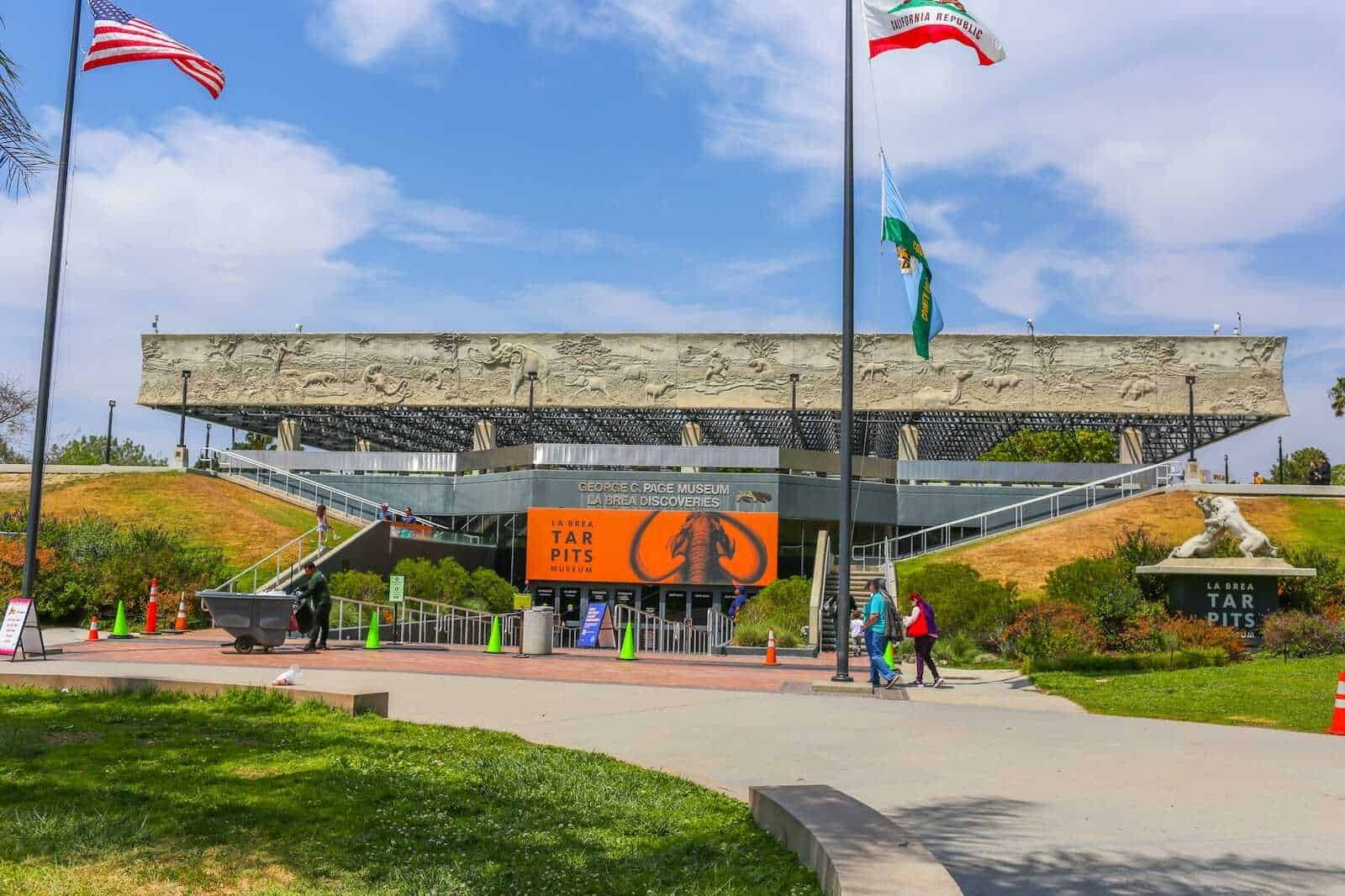
It is important for humanity to preserve as many relevant historical artifacts as possible. We owe it to the next generation, so they can better understand the history of humanity. Given that perspective, the La Brea Tar Pits are one of the world’s most important Ice Age fossil sites, preserving an incredible record of prehistoric life. Thousands of fossils from animals like mammoths, saber-toothed cats, and dire wolves have been uncovered there.
These discoveries have given scientists valuable insights into the ecosystems and climate of the Pleistocene epoch. The site continues to be a vital resource for understanding ancient biodiversity and extinction events.
A Unique Location for an Active Tar Pit in the Heart of Los Angeles
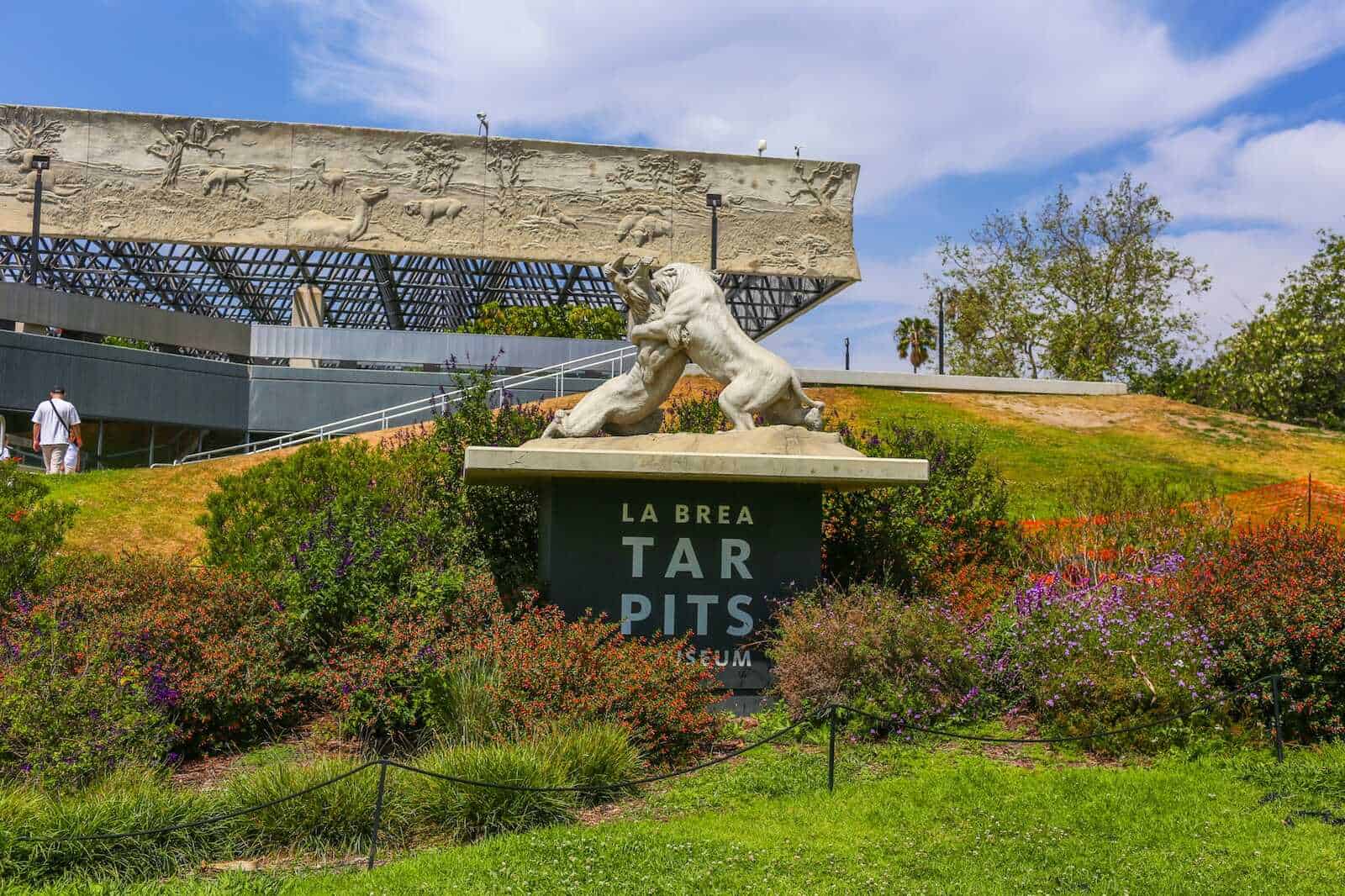
An active tar pit in the heart of a modern skyscraper filled city like Los Angeles is a wild concept. It’s not every day you find mammoths and saber-toothed cats trapped in tar right in the middle of a big city! The La Brea Tar Pits sit in the heart of bustling Los Angeles, surrounded by skyscrapers, museums, and busy streets. One minute you’re grabbing a coffee, and the next you’re staring into bubbling pits from the Ice Age. It’s a wild mix of ancient history and modern life you won’t find anywhere else!
History of the La Brea Tar Pits in Los Angeles
As mentioned before, the Tar Pits, and the prehistoric animals getting stuck on the Tar Pits goes back to Ice Age. The La Brea Tar Pits started forming when sticky natural asphalt began bubbling up from deep underground tens of thousands of years ago. Over time, this gooey trap caught everything from giant sloths to tiny insects. Animals would wander in, get stuck, and become perfectly preserved fossils for us to find today.
Even now, you can still see the tar oozing up and bubbling in the sun! It’s like nature’s very own time machine, right in the middle of Los Angeles. To this day, animals such as squirrels, birds, etc, continue to get stuck, as they mistakenly take the pit for a safe water source.
Discovery of Fossils at the La Brea Tar Pits by Early Settlers
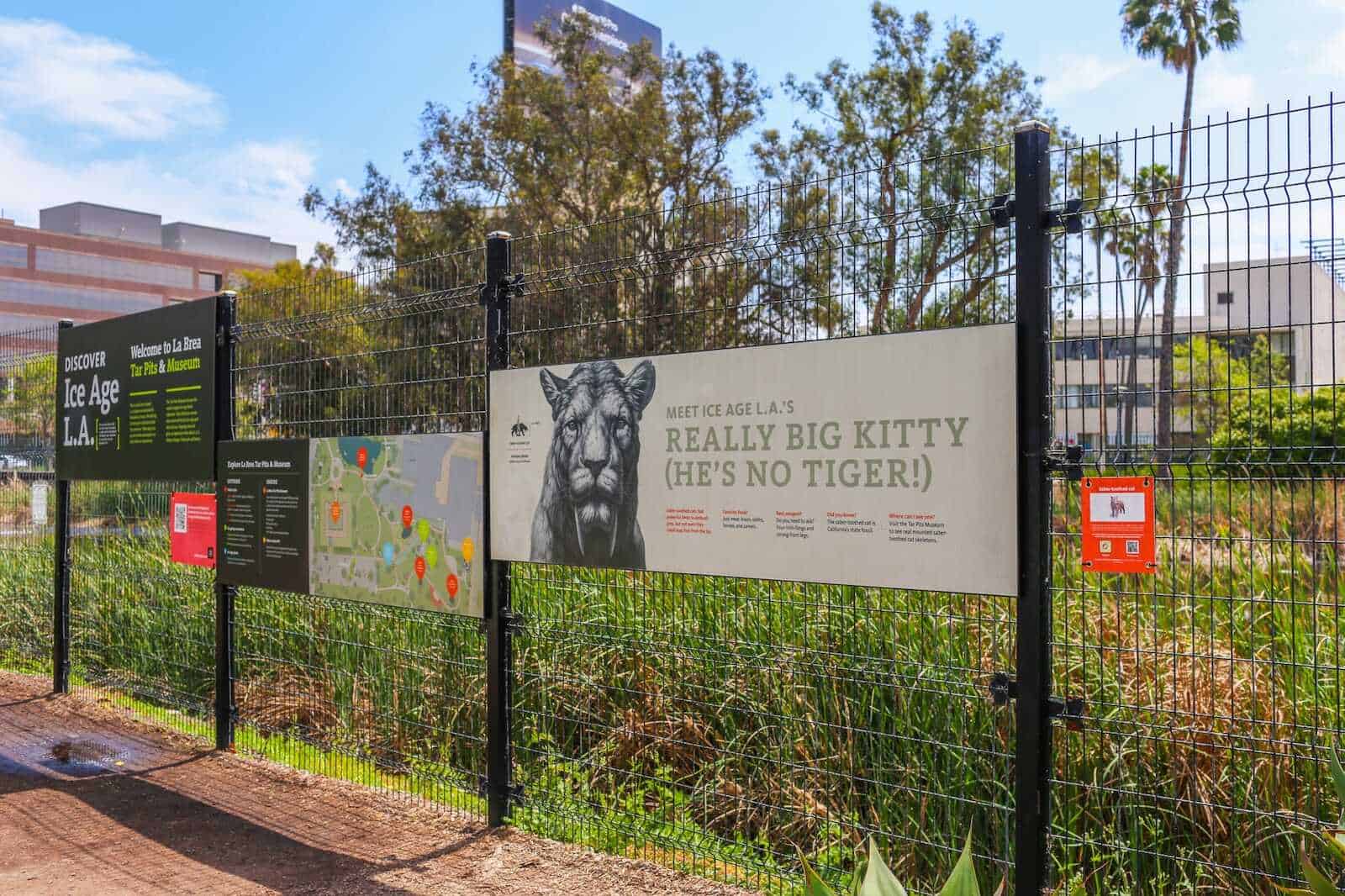
Imagine the fascinating experience of seeing this strange smelling gooey substance for the first time, perhaps a century or two ago without any knowledge of what’s inside. As it happened, in 1828, a Spanish explorer named Antonio de Rocha was one of the first settlers to document the strange tar pits in the Los Angeles area.
While using the sticky tar to waterproof roofs and baskets, settlers began noticing bones sticking out of the black goo. At first, many thought the bones belonged to cattle or other common animals.
In 1875, William Denton, a visiting scientist, examined some of these bones and realized they were much older — belonging to creatures from the Ice Age. Later, in 1901, geologist William Warren Orcutt collected fossils at the site and confirmed their incredible scientific importance. Thanks to these early discoveries, the La Brea Tar Pits became a treasure trove for paleontologists around the world.
Ongoing Excavation and Scientific Research at the La Brea Tar Pits Museum
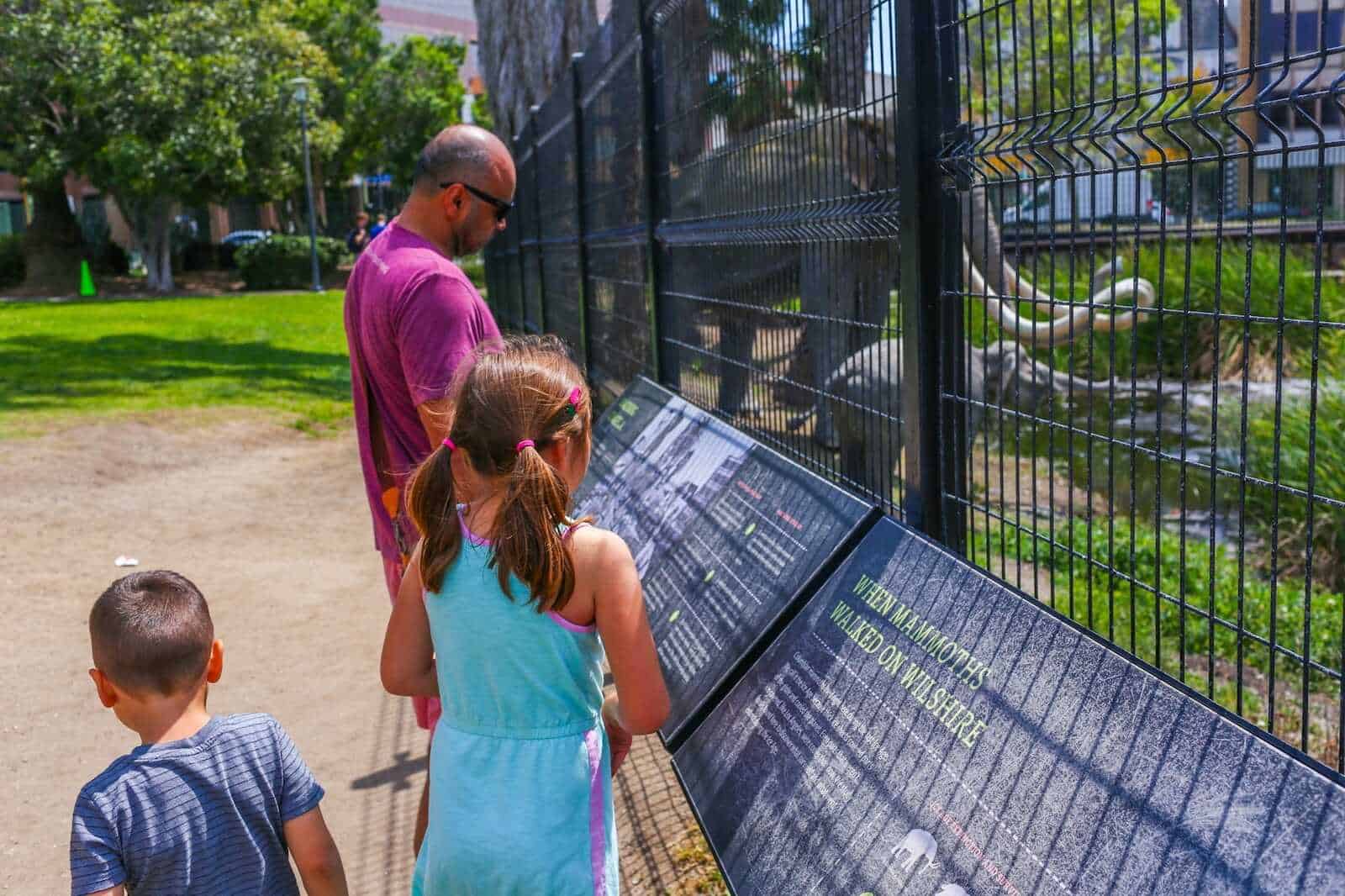
Today, the La Brea Tar Pits are still an active excavation site, with scientists carefully uncovering fossils every year. One of the most exciting digs is Project 23, where 23 large blocks of fossil-rich tar and soil are being slowly explored. Paleontologists and volunteers work side by side, using tiny tools to free ancient bones from the sticky asphalt.
Visitors can watch real-time fossil preparation through glass walls at the Fossil Lab. When we visited, there were scientists cleaning off and examining fossils as we observed them through the glass. Every new discovery adds more pieces to the puzzle of Ice Age life in Los Angeles. The work never stops, making the Tar Pits a living, breathing window into the past!
What to See at the La Brea Tar Pits in Los Angeles
Lake Pit and Dramatic Sculptures of Trapped Mammoths
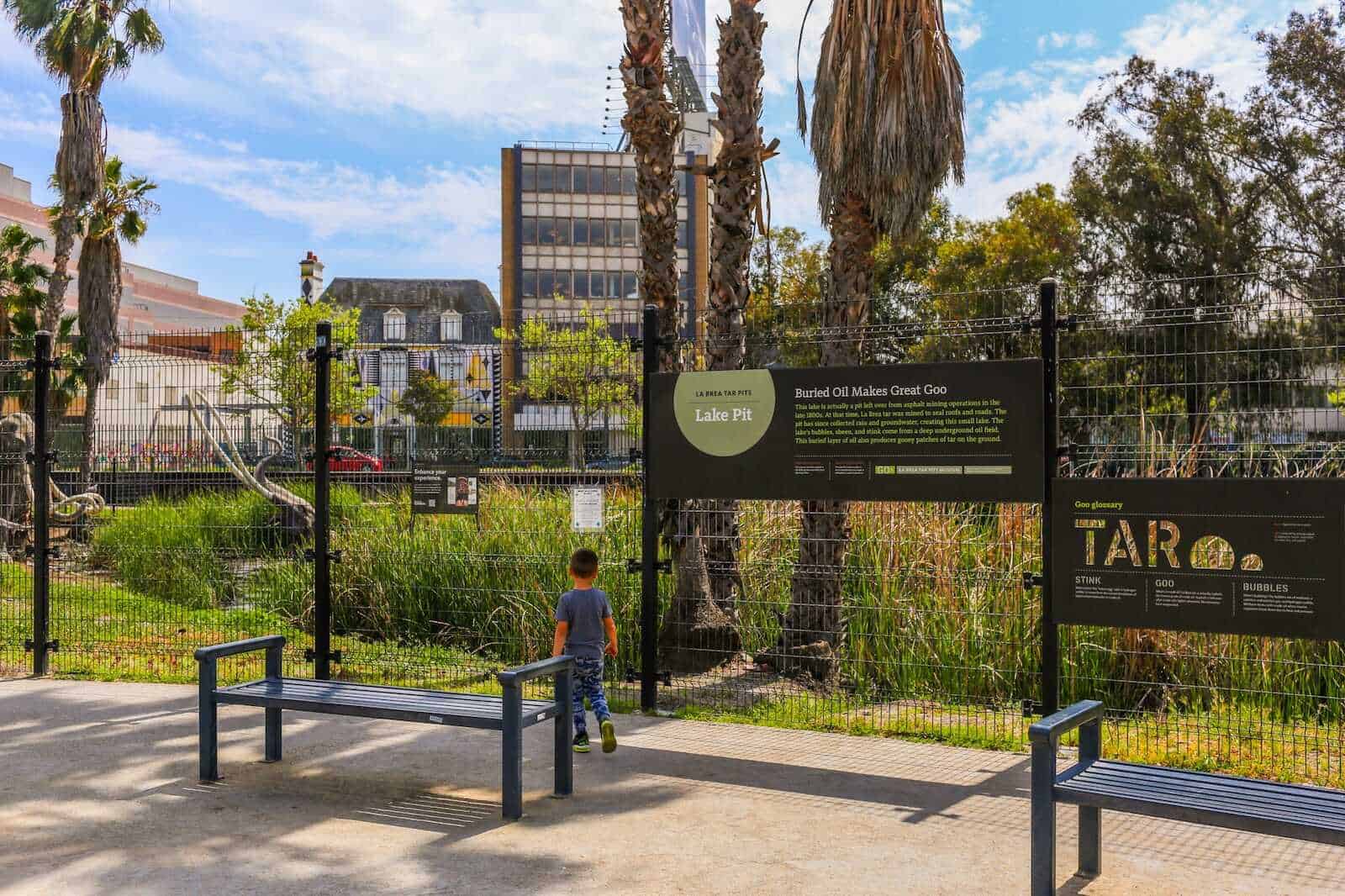
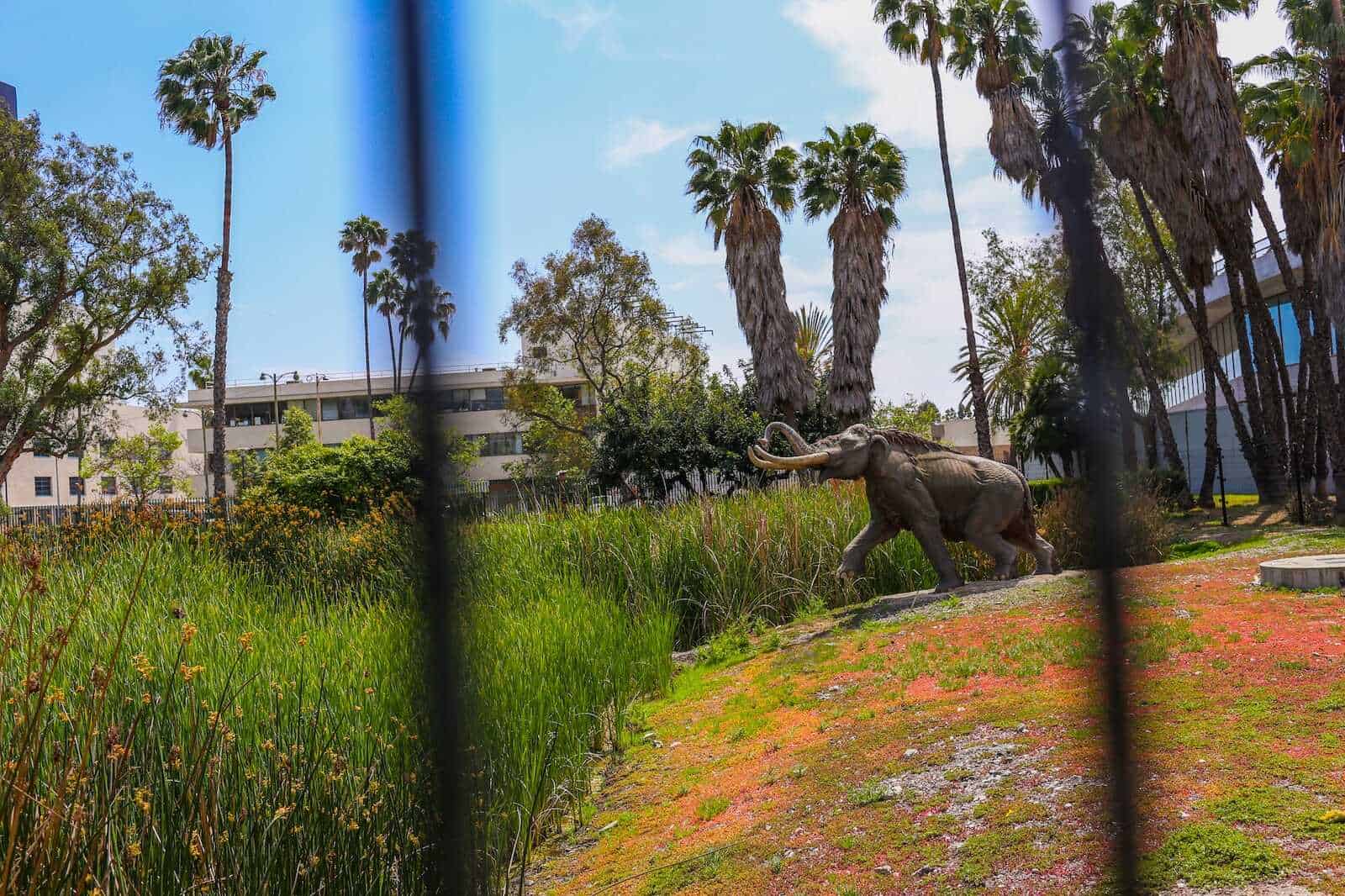
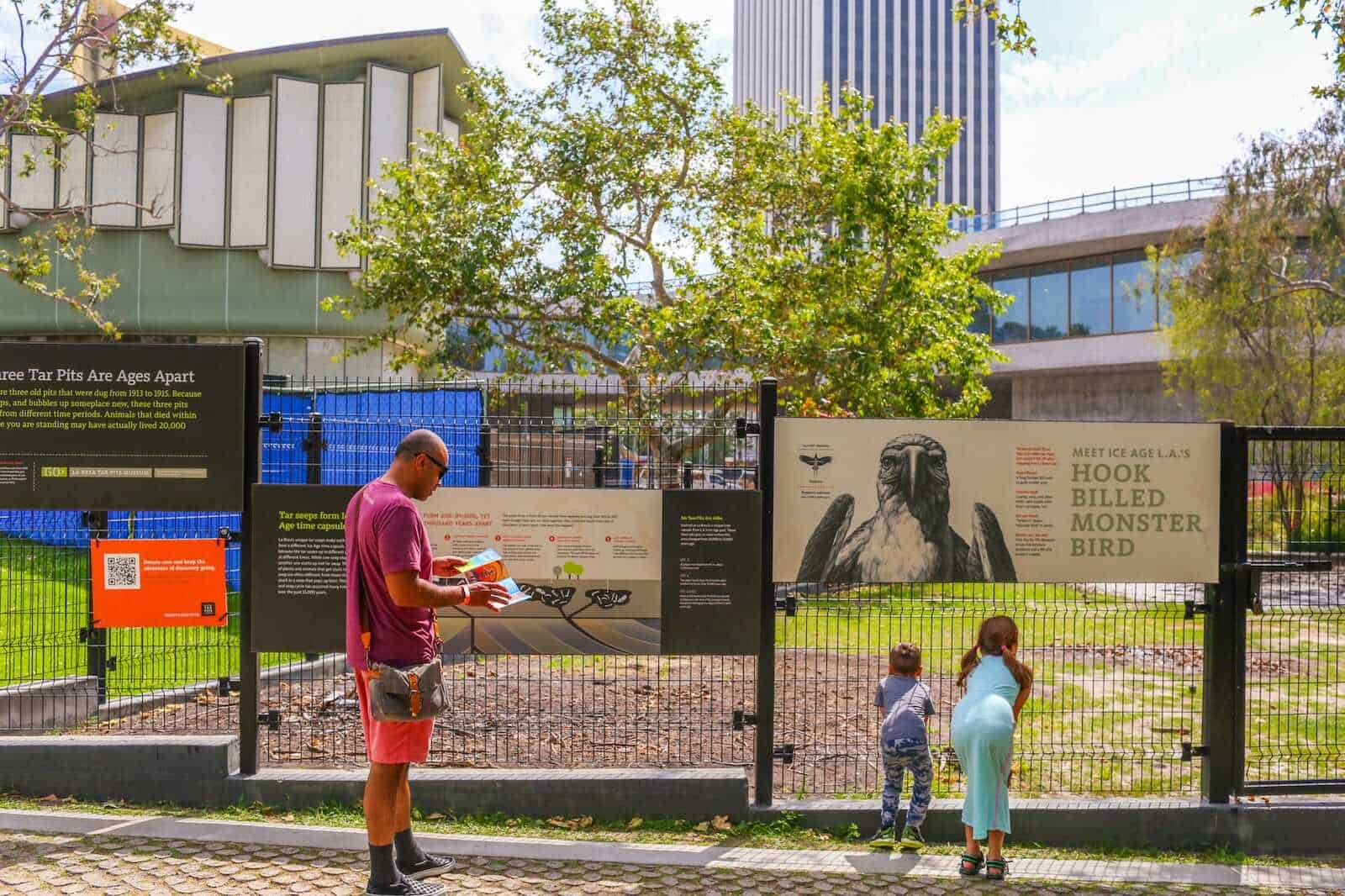
Walking around the La Brea Tar Pits, you’ll spot real tar bubbling up right out of the ground! Some pits are fenced off, but others pop up like surprise puddles — just watch your step. It’s wild to see nature still at work, oozing and gurgling in the middle of a busy city park. Sometimes leaves, sticks, and even the occasional unlucky insects and small animals get trapped just like in ancient times. It’s a reminder that the Ice Age may be over, but the tar is very much alive!
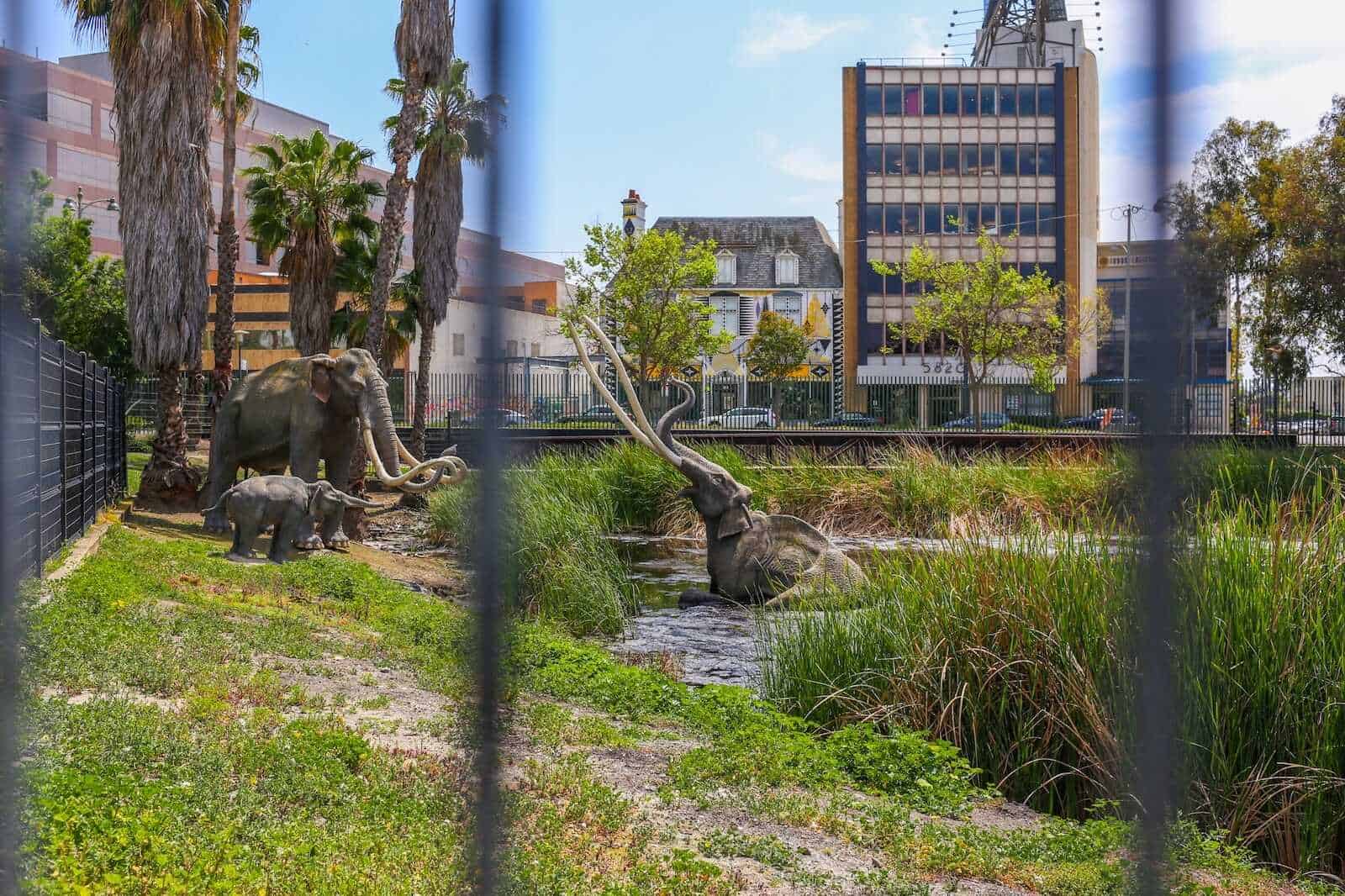
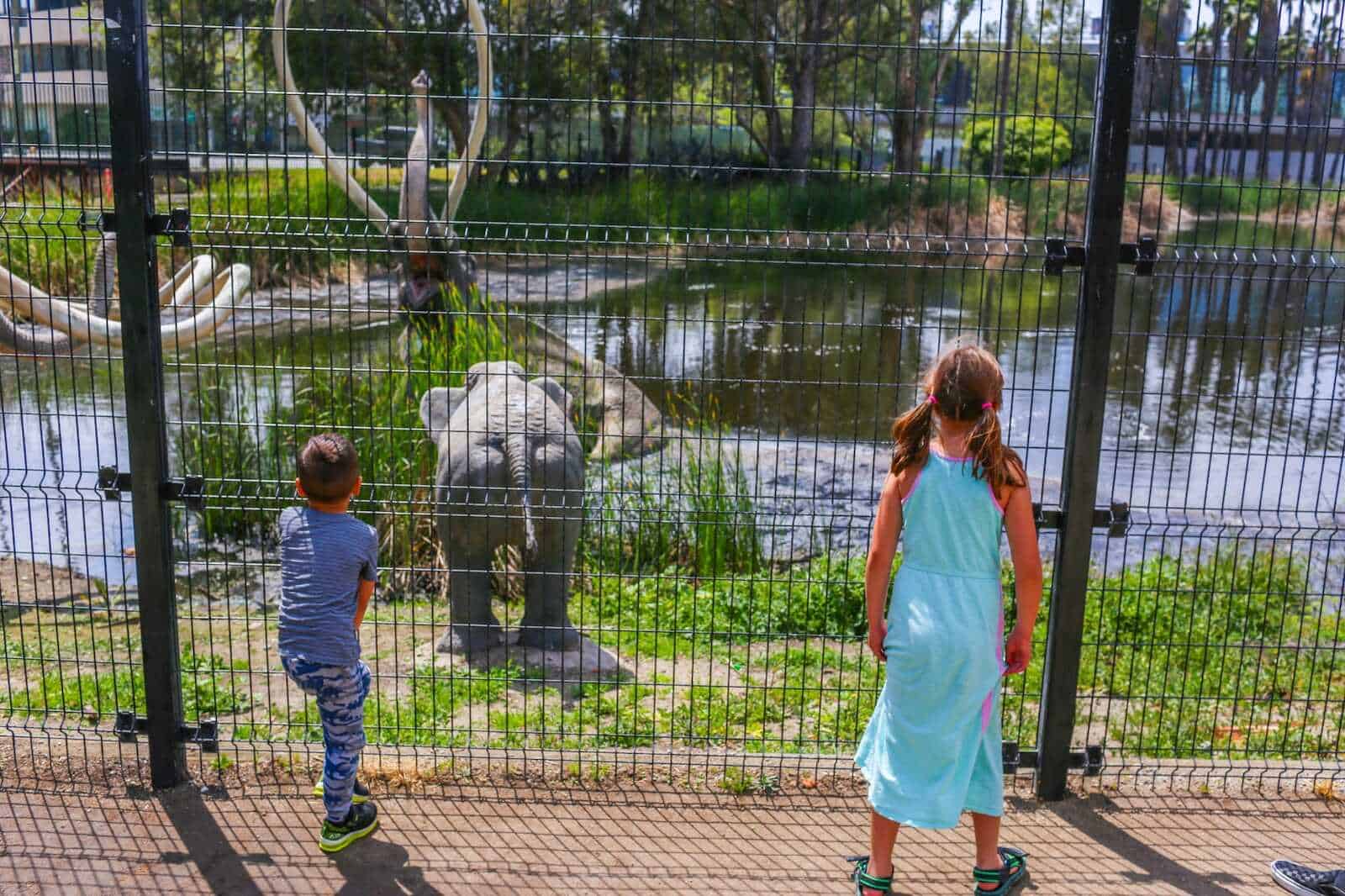
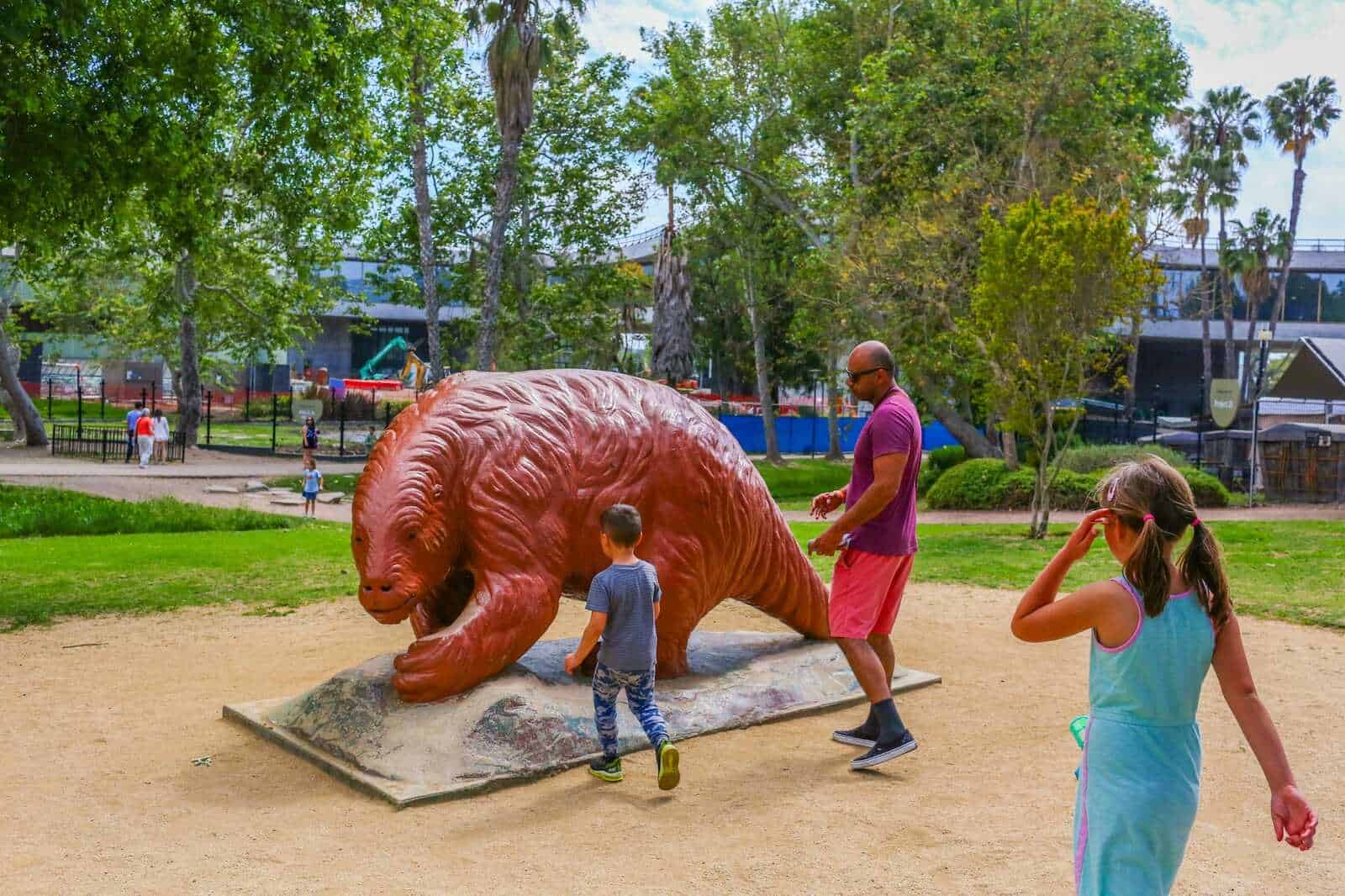
Scattered around the tar pits are dramatic life-sized sculptures of Ice Age animals like mammoths, saber-toothed cats, and giant ground sloths. One of the most striking scenes shows a mammoth family, with one sinking helplessly into a bubbling tar pit. These sculptures bring the ancient drama to life, helping visitors imagine what it was like thousands of years ago.
Active Excavation Sites (Project 23 and Pit 91)
The La Brea Tar Pits are currently home to two major active excavation sites: Project 23 and Pit 91. Project 23 began when fossils were accidentally uncovered during nearby construction, leading scientists to carefully move 23 large blocks of fossil-filled sediment for study.
Each block is like a giant time capsule, packed with ancient bones, plants, and even insects. Pit 91, one of the oldest excavation sites, is a small but incredibly rich area that has been yielding fossils for decades.
At both sites, paleontologists and volunteers work with delicate tools to free bones from the sticky tar. Visitors can watch this fascinating process up close, getting a rare glimpse of real science in action!

Observation Windows to Watch Paleontologists at Work
Observing the Paleontologists at work through the glass can make the entire experience at the museum feel like real life Jurassic Park! At the La Brea Tar Pits, visitors can peer through giant observation windows to see real paleontologists at work.
Inside the Fossil Lab, scientists carefully clean, sort, and study fossils fresh from the tar pits. It’s like watching a live science show, with ancient bones and delicate tools instead of actors. You might even catch a glimpse of a saber-toothed cat skull, or a tiny prehistoric bird bone being uncovered.
The experience makes the ancient world feel exciting, real, and closer than ever! Seeing the real lab is something that will make your visit memorable, as it’s not a common occurrence with most natural history specific museums.

The Museum
In terms of exhibits and interactive activities for the whole family, the La Brea Tar Pits Museum offers quite a bit to help the family stay entertained.
Iconic Fossils, Sabre-Toothed Cats, Dire Wolves, Mammoths, Ground Sloths
The La Brea Tar Pits have produced some of the most iconic Ice Age fossils in the world. It hits harder when you know with absolute certainty that the fossils are legitimate and not replica versions. Visitors can see towering Columbian mammoth skeletons, with their massive, curved tusks. Saber-toothed cats (My absolute favorite), with their famous long, dagger-like teeth, are some of the most popular fossils on display.
The tar pits have also yielded thousands of dire wolf skulls, neatly lined up on a dramatic museum wall. Other incredible finds include giant ground sloths, ancient bison, and even tiny creatures like prehistoric insects and plants. Each fossil helps paint a vivid picture of the wild and dangerous world of Ice Age Los Angeles!

Interactive Free Exhibits Explaining Ice-Age Ecosystems
The La Brea Tar Pits Museum features interactive exhibits that make learning about Ice Age ecosystems fun and engaging. Visitors can explore life-size models, touch fossil replicas, and even try virtual fossil digs. Interactive displays show how ancient animals lived, hunted, and survived in a much cooler, greener Los Angeles. Special exhibits also explain how changing climates affected the plants and animals of the time. It’s a hands-on way to experience the Ice Age and understand the science behind the fossils!

3D Theater Presentations at La Brea Tar Pits
Another fun and interactive part of the museum is the 3D theater presentations available for a small additional cost. The 3D theater presentations at the La Brea Tar Pits cost a reasonable $8 per person, and it’s free for La Brea Tar Pits members, so you might want to consider a membership if you’re a fossil and paleontology nerd like I can be sometimes. General admission to the museum is also required for accessing the 3D theater, which costs $18 for adults, $14 for seniors or students, and $7 for children ages 3-17. Children under 2 and active military with ID, CA teachers with ID, and members have free general admission.

Garden and Park Areas at the La Brea Tar Pits
The La Brea Tar Pits are found within Hancock Park, a 22-acre urban green space in the heart of Los Angeles. This might be my favorite part about our visit, the open access to everyone, visitor to the museum or not. You can stroll along paved paths that wind through grassy lawns, shaded picnic spots, and bubbling tar seeps, all surrounded by life-sized sculptures of Ice Age animals like mammoths and giant sloths.
One of the park’s highlights is the iconic Lake Pit, a former asphalt mine now filled with water, featuring a dramatic scene of a mammoth family—one sinking into the tar while others look on in distress. It saddened me to think of poor animals getting stuck and dying a horrible slow death, as they became trapped by the pits.
The park also includes the Pleistocene Garden, showcasing native plants from the Ice Age, offering a glimpse into prehistoric Los Angeles landscapes. As already mentioned, access to the park grounds is free, allowing everyone to enjoy the outdoor exhibits and natural features.

Observation of Bubbling Tar Spots Around the Property
All around the La Brea Tar Pits property, you can spot real bubbling tar seeps poking through the ground. Some of the tar spots are fenced off, while others are tucked beside walking paths, quietly gurgling away. It’s wild to think the same sticky asphalt has been oozing up for tens of thousands of years. Sometimes bits of leaves, twigs, or even tiny trapped insects can be seen caught in the tar. These bubbling spots are a living reminder that this ancient natural phenomenon is still very much alive today!

Planning Your Visit to La Brea Tar Pits
Location
The La Brea Tar Pits and Museum are located at 5801 Wilshire Boulevard, Los Angeles, CA 90036, in the heart of the city’s Miracle Mile district. This central location places the museum within walking distance of other notable attractions, including the Los Angeles County Museum of Art (LACMA). The museum is easily accessible via public transportation, with Metro Local Bus Line 20 stopping at Wilshire Boulevard and Curson Avenue, right outside the Tar Pits.
For those driving, paid parking is available directly behind the museum on Curson Avenue, closer to Sixth Street, and metered parking is also available along Sixth Street. If you plan on trying to save on parking by finding a spot outside the museum parking lot, be cautious, as it is a heavily parking enforced area, and the spots can be limited. We recommend paying the cost and saving yourself the headache and the long walk if you do find somewhere to park.

Typical Opening Hours
The La Brea Tar Pits Museum operates daily from 9:30 a.m. to 5:00 p.m., providing ample time for visitors to explore its fascinating exhibits. However, it’s important to note that the museum is closed on the first Tuesday of every month, as well as on major holidays including Independence Day, Thanksgiving, Christmas, and New Year’s Day.

Free Days for Local Residents
For Los Angeles County residents, there’s a special opportunity to enjoy the museum for free from 3:00 p.m. to 5:00 p.m., Monday through Friday. These complimentary tickets are available onsite only and do not include admission to special experiences like the 3D theater or the Ice Age Encounters show.

Admission Tickets to La Brea Tar Pits
General admission to the La Brea Tar Pits Museum is $18 for adults, $14 for seniors (ages 62+), $14 for students (ages 13–17 or with valid college ID), and $7 for children ages 3–12. Children under 2 years old are admitted free. Admission includes access to the museum’s exhibits, the Fossil Lab, and the Excavator Tour.
Additional experiences, such as the 3D theater and the Ice Age Encounters show, require separate tickets. L.A. County residents can enjoy free museum admission from 3:00 p.m. to 5:00 p.m., Monday through Friday; these tickets are available onsite only and do not include special experiences.

Parking
Parking at the La Brea Tar Pits Museum is available in the onsite lot located at the corner of Curson Avenue and 6th Street, directly behind the museum. The flat rate for parking is $18 per vehicle, payable by credit card only. If the museum lot is full, alternative parking options include nearby structures at LACMA, the SAG-AFTRA building, and the Petersen Automotive Museum.
Additionally, metered street parking is available along 6th Street, but be sure to read all posted signs carefully, as restrictions apply. Please note that parking along Wilshire Boulevard is prohibited between 7:00–9:00 a.m. and 4:00–7:00 p.m., Monday through Friday, and vehicles parked during these times may be ticketed and towed.

Best Time to Visit La Brea Tar Pits
As we all probably know by now, LA traffic can be brutal, so driving to the museum can be best enjoyed during non-heavy traffic times. The best time to visit the La Brea Tar Pits Museum is during weekday mornings, right when it opens at 9:30 a.m., to avoid large crowds and traffic will have slowed a bit by then. Midweek visits, especially Tuesday through Thursday, are typically less busy than weekends.
Spring and fall offer the most comfortable weather for enjoying both the indoor exhibits and the outdoor tar pits. If you want to see active excavations, summer months are best when more fieldwork is underway. L.A. County residents can also enjoy free admission from 3:00 to 5:00 p.m. on weekdays, but those hours can get a little busier.
Having kids makes you much more acutely aware of when the best times are to visit, concerning weather and crowds. The best times to visit the La Brea Tar Pits Museum are during spring (March–May) and fall (September–November), when Los Angeles enjoys mild temperatures and clearer skies, making it ideal for exploring both indoor exhibits and outdoor tar pits.
Weekday mornings are typically less crowded, offering a more relaxed experience compared to weekends and holidays. If you’re interested in special events, the museum occasionally hosts programs like “Summer Nights at the Tar Pits,” featuring live music and evening activities.

How Much Time Will It Take to Tour the Entire Museum
We all appreciate time at museums differently. Some people take their time, others move faster. My speed is much faster than my kids, but I’m patient! In general, most visitors spend about 1.5 to 2 hours exploring the La Brea Tar Pits Museum. This includes time to see the fossil exhibits, the Fossil Lab, and interactive displays.
If you also want to watch a 3D movie or explore the outdoor tar pits and excavation sites, you might want to plan for about 3 hours total. Families with kids or those especially interested in science may even enjoy staying a bit longer. With our kids moving slower (which is ok!) we were in and out in about 3 hours. It helped a lot that the out-doors had paved walkways, making it easier for those with strollers. That was more than enough time to take in each exhibit, the outdoor park, and each tar pit we could find.

Tips For Families with Kids Visiting La Brea Tar Pits
Hands on Exhibits and Kid Friendly Experiences
The La Brea Tar Pits Museum offers plenty of hands-on exhibits perfect for kids and curious visitors. Children can touch real fossil replicas, dig for “fossils” in interactive displays, and watch scientists at work in the Fossil Lab.
The museum also features special programs like Ice Age Encounters, where life-size puppet creatures bring prehistoric animals to life. These engaging activities make learning about the Ice Age fun and exciting for visitors of all ages.
To keep kids engaged at the La Brea Tar Pits Museum, start by visiting the interactive exhibits where they can touch fossil replicas and explore hands-on displays. Make sure to stop by the Fossil Lab, where they can watch real scientists cleaning and studying ancient bones. Outdoor areas like the bubbling tar pits and life-size animal sculptures also offer plenty of exciting sights to spark their curiosity. For an extra treat, catch the Ice Age Encounters show featuring giant puppet creatures that bring the past to life!
The La Brea Tar Pits Museum gift shop offers a variety of educational and fun items for visitors of all ages. Children can enjoy plush toys like the Woolly Mammoth stuffed toys, as well as mini building block sets featuring Ice Age animals such as mammoths and wolves.
For those interested in authentic specimens, the shop provides fossilized items like bird bones from the tar pits, offering a tangible connection to prehistoric times. Additionally, the store features a selection of books, apparel, and unique souvenirs that celebrate the rich history of the tar pits.

Special Events and Programs Available at the La Brea Tar Pits
The Musuem offers tours for those looking for a more in-depth experience at the La Brea Tar Pits Museum.
Excavator Tours (Behind the Scenes) at the La Brea Tar Pits
The Excavator Tour at the La Brea Tar Pits Museum offers visitors a behind-the-scenes look at the ongoing paleontological work uncovering Ice Age fossils. This 45–60 minute guided walking tour takes you from inside the museum, past the Fossil Lab, and out through the park, ending at the current excavation site, Project 23.
Along the way, you’ll explore the famous Lake Pit, Hancock Park, and learn about the discoveries being made at these active dig sites. The tour is free with paid museum admission and provides an immersive experience into the science of paleontology. It’s an excellent opportunity to witness firsthand how scientists uncover Los Angeles’s prehistoric past.
Public Lectures and Special Paleontology Events
The La Brea Tar Pits Museum hosts public lectures and special paleontology events throughout the year, offering visitors a deeper look into Ice Age science. These events often feature expert talks by leading paleontologists, live fossil demonstrations, and behind-the-scenes tours.
Special programs like “Summer Nights at the Tar Pits” combine science, music, and family activities for an evening of fun. Attending one of these events is a great way to learn more about ongoing discoveries and connect with real scientists.
Annual Ice Age Encounters Performances
The Ice Age Encounters show at the La Brea Tar Pits Museum is a dynamic, 15-minute performance that brings Ice Age Los Angeles to life. It features a life-size adult saber-toothed cat puppet—crafted by Jim Henson’s Creature Shop—alongside live narration and immersive film projections. The show is designed for all ages and offers an engaging way to learn about extinct creatures that once roamed the area over 10,000 years ago. Tickets are $8 per person, in addition to general museum admission, and free for members with a reservation.

Dining and Nearby Attractions
While the La Brea Tar Pits Museum doesn’t have an on-site café, visitors can find a variety of dining options nearby. Just across the street, the LACMA Café offers convenient bites.
For a quick coffee or snack, there’s a Starbucks located at 5757 Wilshire Blvd, just a short walk from the museum. Additionally, the surrounding Miracle Mile area boasts numerous restaurants and food trucks, offering a range of cuisines to suit various tastes.

Picnic Areas at the La Brea Tar Pits – Hancock Park
Hancock Park, which is the surrounding greenery encompassing the La Brea Tar Pits Museum, offers a welcoming environment for picnicking amidst its 23-acre expanse. Visitors can enjoy grassy lawns, shaded areas, and scenic spots near the Lake Pit and Pleistocene Garden, providing a serene backdrop for outdoor meals.
The park’s open spaces are ideal for families, with children often playing near the life-sized Ice Age animal sculptures, and it’s common to see locals and tourists alike relaxing on blankets or benches. Additionally, the park is dog-friendly, allowing leashed pets to accompany visitors during their picnics.

Nearby Attractions to Visit
Los Angeles County Museum of Art (LACMA)
If you’re an art lover, then the Los Angeles County Museum of Art (LACMA) is worth a visit. Located at 5905 Wilshire Boulevard in the heart of Los Angeles’ Miracle Mile, stands as the largest art museum in the western United States. With a collection exceeding 150,000 works, it spans over 6,000 years of global art history, featuring pieces from ancient times to contemporary art.
Current exhibitions include “Line, Form, Qi: Calligraphic Art from the Foundation INK Collection” and “Imagining Black Diasporas: 21st-Century Art and Poetics,” showcasing the museum’s commitment to diverse artistic expressions. LACMA is undergoing a significant transformation with the construction of the David Geffen Galleries, a new building designed by architect Peter Zumthor, set to open in April 2026. Visitors can enjoy free admission on weekdays after 3 p.m. (except Wednesdays) with valid ID, making it an accessible destination for art enthusiasts.

The Petersen Automotive Museum
The Petersen Automotive Museum, is a must visit in close proximity if you’re a die-hard car enthusiast such as myself. Located at 6060 Wilshire Boulevard in Los Angeles, is worth a visit. Established in 1994, the museum boasts over 100 vehicles on display across 25 galleries, with an additional collection housed in its exclusive underground Vault.
Current exhibitions include “People’s Champ: The Impact of Ken Block,” showcasing the vehicles of the motorsports icon, and “Alternating Currents: The Fall and Rise of Electric Vehicles,” highlighting the evolution of electric cars.
The museum is renowned for its striking architecture, featuring a stainless-steel ribbon façade designed by Kohn Pedersen Fox. Open daily from 10 a.m. to 6 p.m., the Petersen offers an immersive experience into the world of automotive innovation and culture.

The Grove and Farmers Market
The Grove and Farmers Market a short drive away - The Original Farmers Market, located at 3rd Street and Fairfax Avenue in Los Angeles, offers a delightful combination of shopping, dining, and entertainment experiences. The Grove is an open-air retail and entertainment complex featuring upscale shops, restaurants, a movie theater, and a central park with an animated fountain that performs water shows set to music.
Adjacent to The Grove, the Original Farmers Market, established in 1934, hosts over 100 vendors offering a variety of fresh produce, gourmet foods, and international cuisine in a historic setting. A charming, free trolley connects the two destinations, making it easy for visitors to explore both areas in a single trip.

Conclusion
To wrap up, visiting the La Brea Tar Pits offers a rare blend of science, history, and urban adventure right in the heart of Los Angeles. It’s one of the few places where you can see active fossil excavations happening just steps from modern city life. I honestly don’t know of any other in existence that allows visitors to observe fossil preservation in real time.
The combination of bubbling tar pits, Ice Age fossils, interactive exhibits, and beautiful park grounds makes it a fascinating experience for all ages. With nearby museums, dining, and shopping, you can easily turn your trip into a full day of exploration. It’s a truly unique destination that connects the ancient past to the vibrant present in an unforgettable way.
Also remember, every visit to the La Brea Tar Pits directly supports the important scientific work happening on-site. Admission fees and purchases help fund ongoing fossil excavations, research, and preservation efforts. Scientists rely on this support to uncover new discoveries about Ice Age life and share them with the public. By visiting, you’re not just exploring the past—you’re helping protect it for future generations.
Looking for another educational kid-friendly spot in LA? See our guide to visiting the The California Science Center in Los Angeles!