Stretchy Pants Chinatown Tea & Dim Sum Food Tour Review: A Delicious Walk Through San Francisco History
If you want to learn about San Francisco’s Chinatown while eating very well, the Stretchy Pants Chinatown Tea & Dim Sum Food Tour is worth your Saturday morning. I took it in September with my good friend Kara, and it was a fun day exploring a popular area of the city. Below is my full review of what we ate, what we learned, and who I think will love it most.
Why I Chose a Chinatown Food Tour
My friend lives in San Francisco, and I drove in from Sacramento for the day. We had both been to Chinatown many times before, especially since I used to live in San Francisco and my friend has been a local for nearly a decade. But going on an in-depth food and history tour makes you see familiar streets with new eyes. Plus it made me try new foods that I wouldn’t have ordered on my own. In a nutshell, it took me out of my foodie comfort zone – in a good way!
The Group Size Made All the Difference
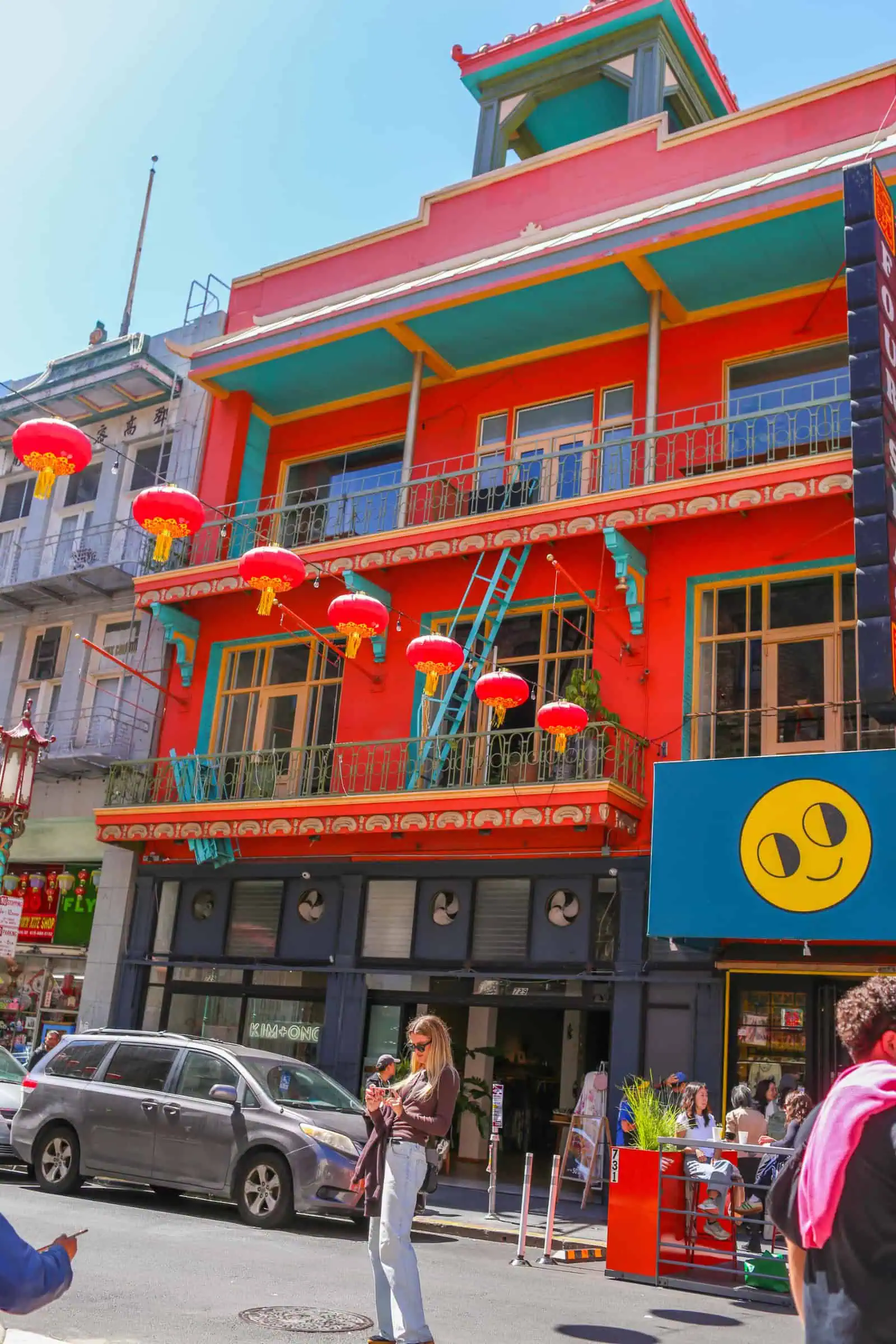
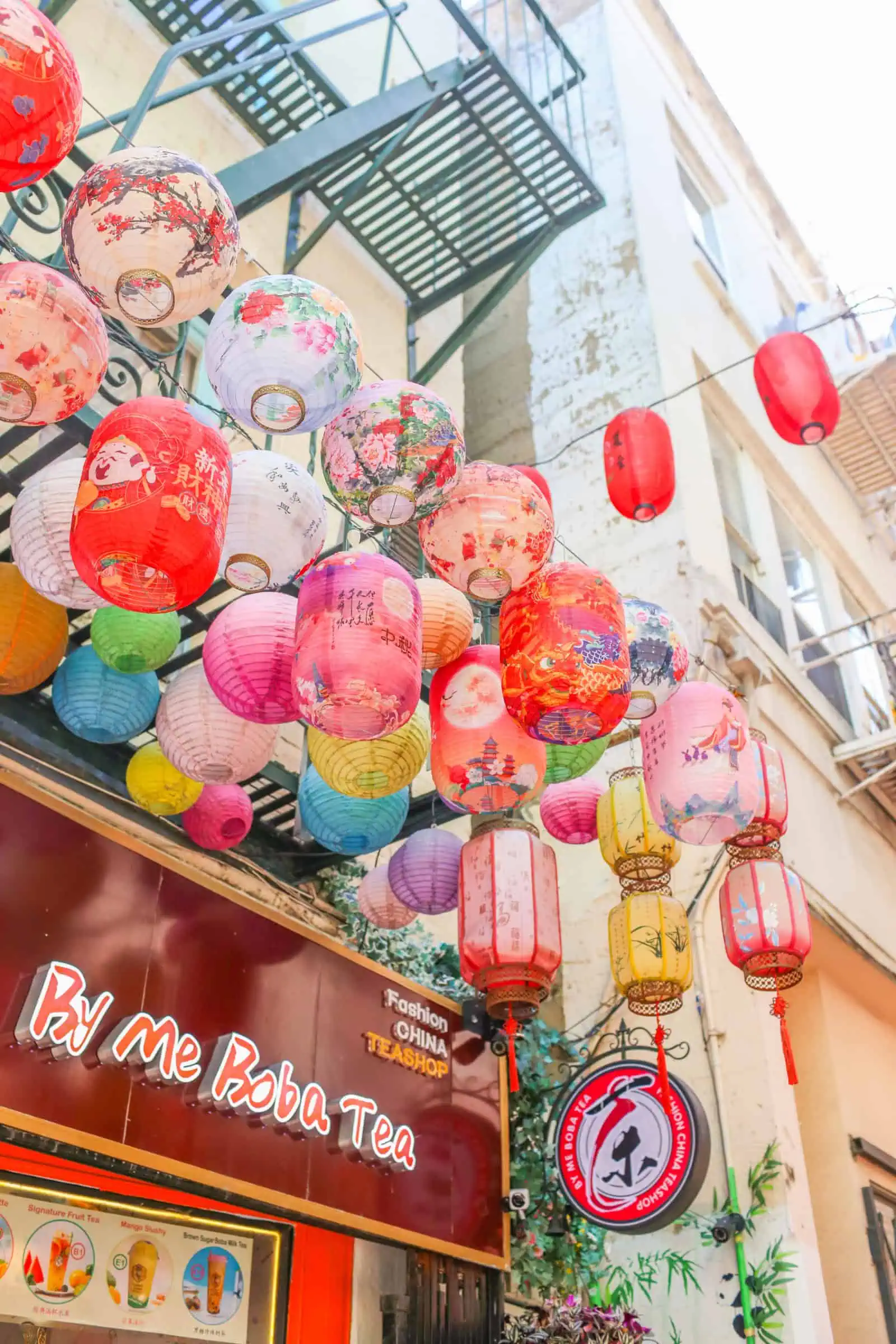
We arrived on a lively Saturday morning, and Chinatown was buzzing as per usual. I used to walk through this neighborhood every morning to get to work, and I don’t think I’ve ever seen it calm before. We met up with our tour guide at a designated meet-up spot.
Our group turned out to be tiny. There were only three of us, plus our guide, Ginger. That small size added to the experience. There was no struggling to hear over a crowd and no rushing to keep up. We could ask questions as they occurred to us and chat with Ginger like we were out for a walk with a friend who happened to know everything about the neighborhood.
Note: I don’t know the typical group size on the Stretchy Pants tour, it could have been that we just got lucky with a small crew.
Our Guide Ginger Knew Her Stuff
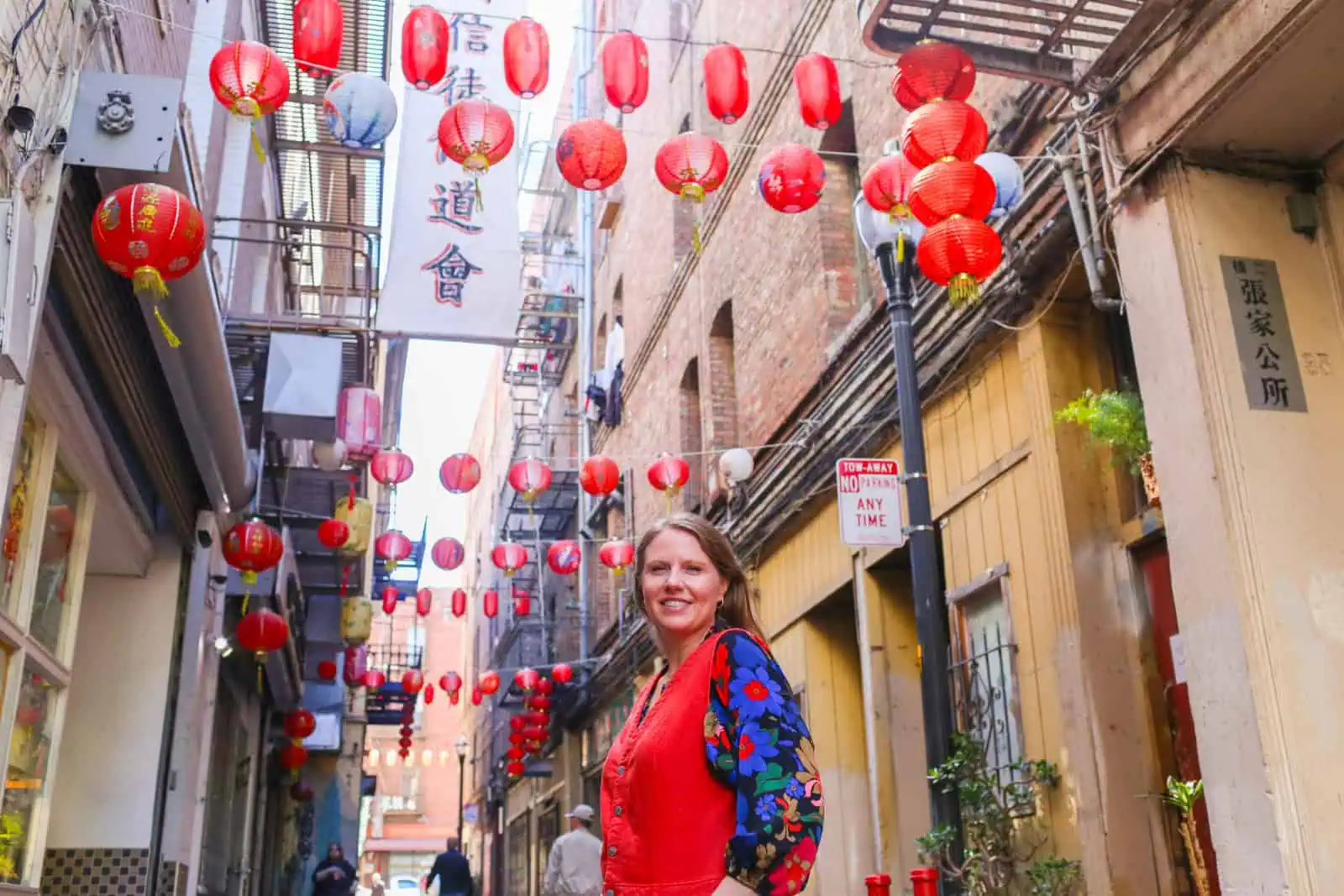
Ginger made the tour. She was warm and funny, and she was clearly knowledgeable about Chinatown’s history and culture. At key points along the route, she paused to explain the story behind what we were looking at, from the early days of Chinese immigration in San Francisco to the traditions that still shape daily life in the neighborhood today.
What I appreciated most was that the history felt light and entertaining. She wove it into the walk naturally, so a building, a shop front, or a street corner became a small lesson. I learned things I had walked right past on earlier visits. Cultural references that might have gone over my head were explained in context, which always gives you more appreciation.
The Pace: Leisurely Strolls Through Streets and Alleys
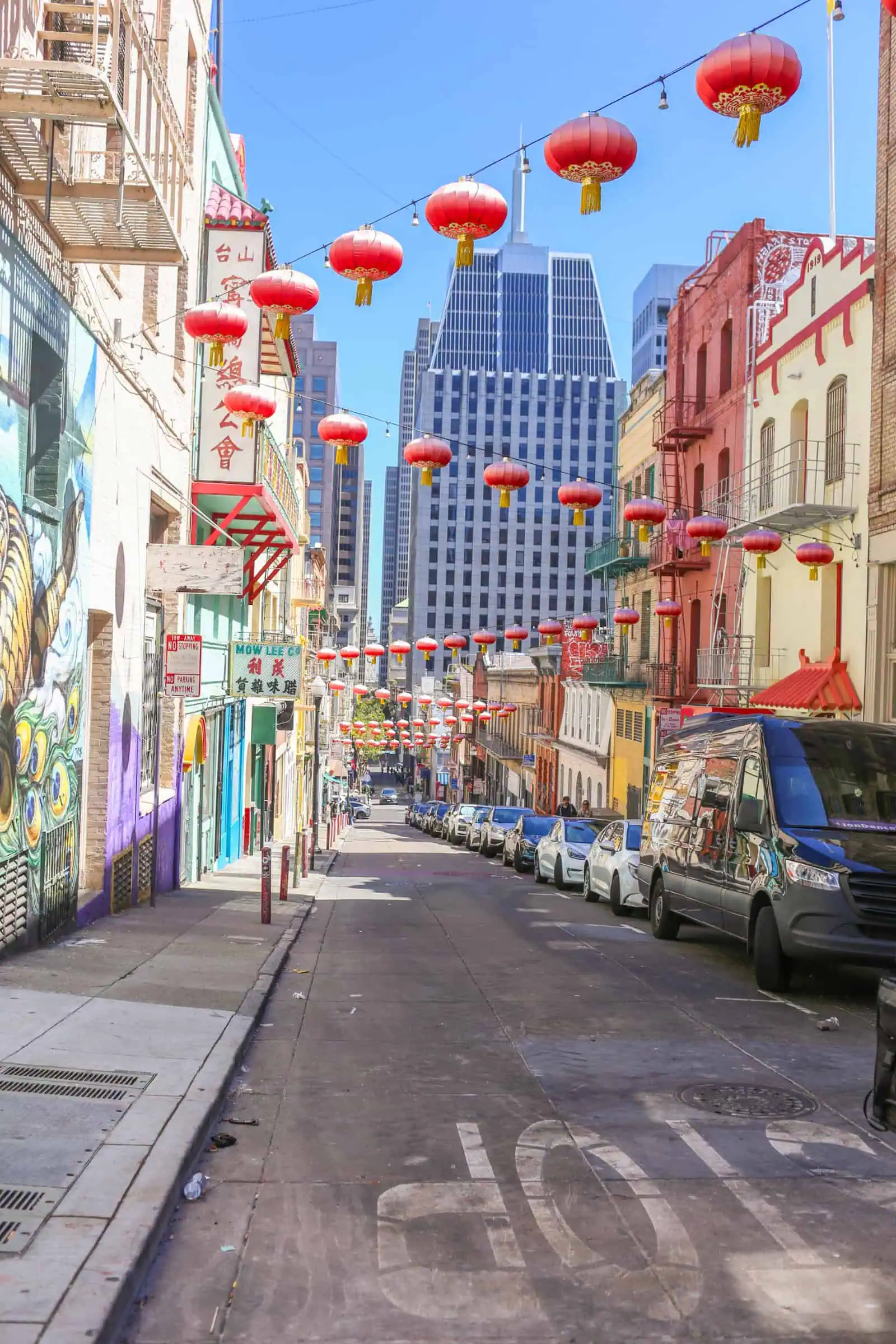
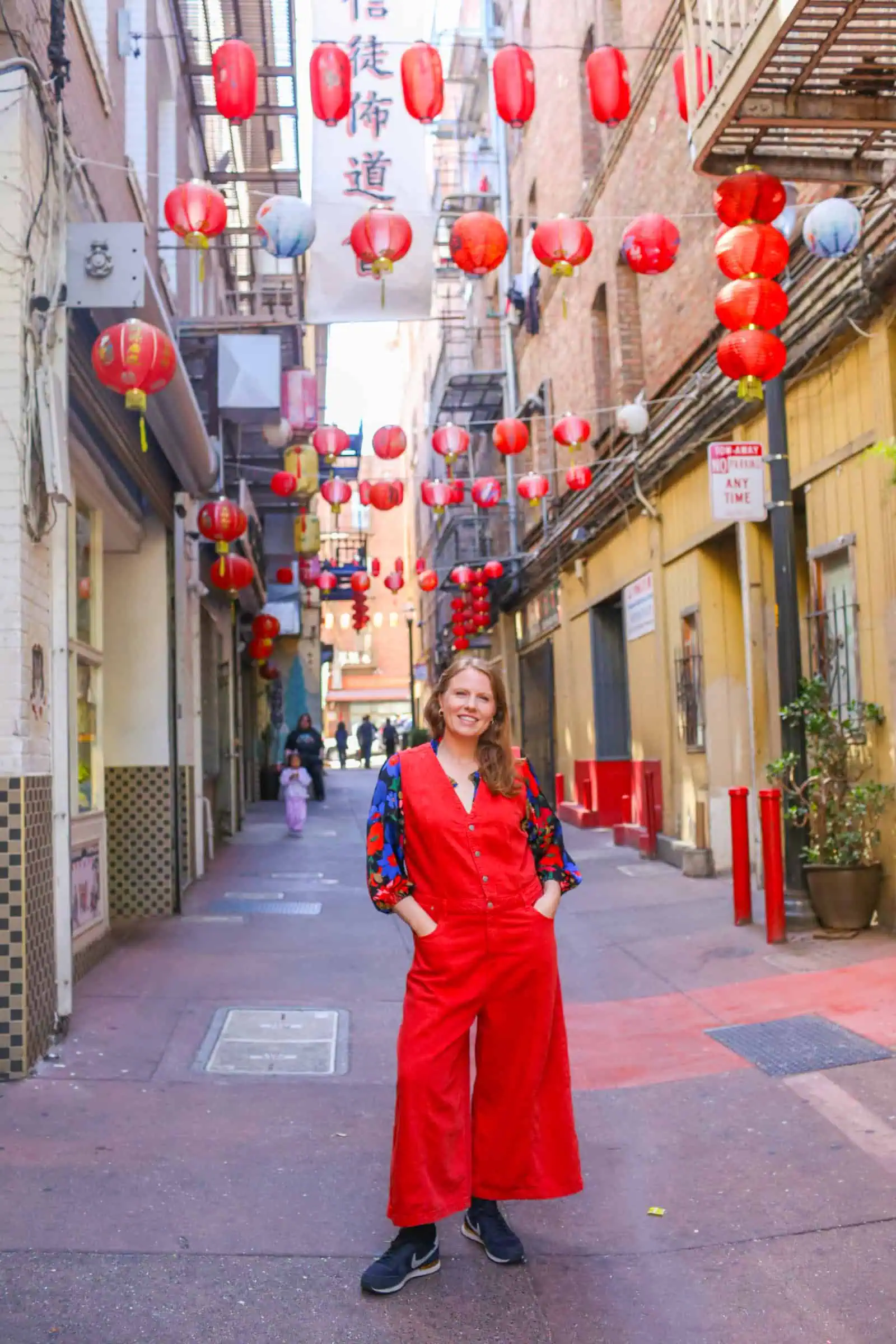
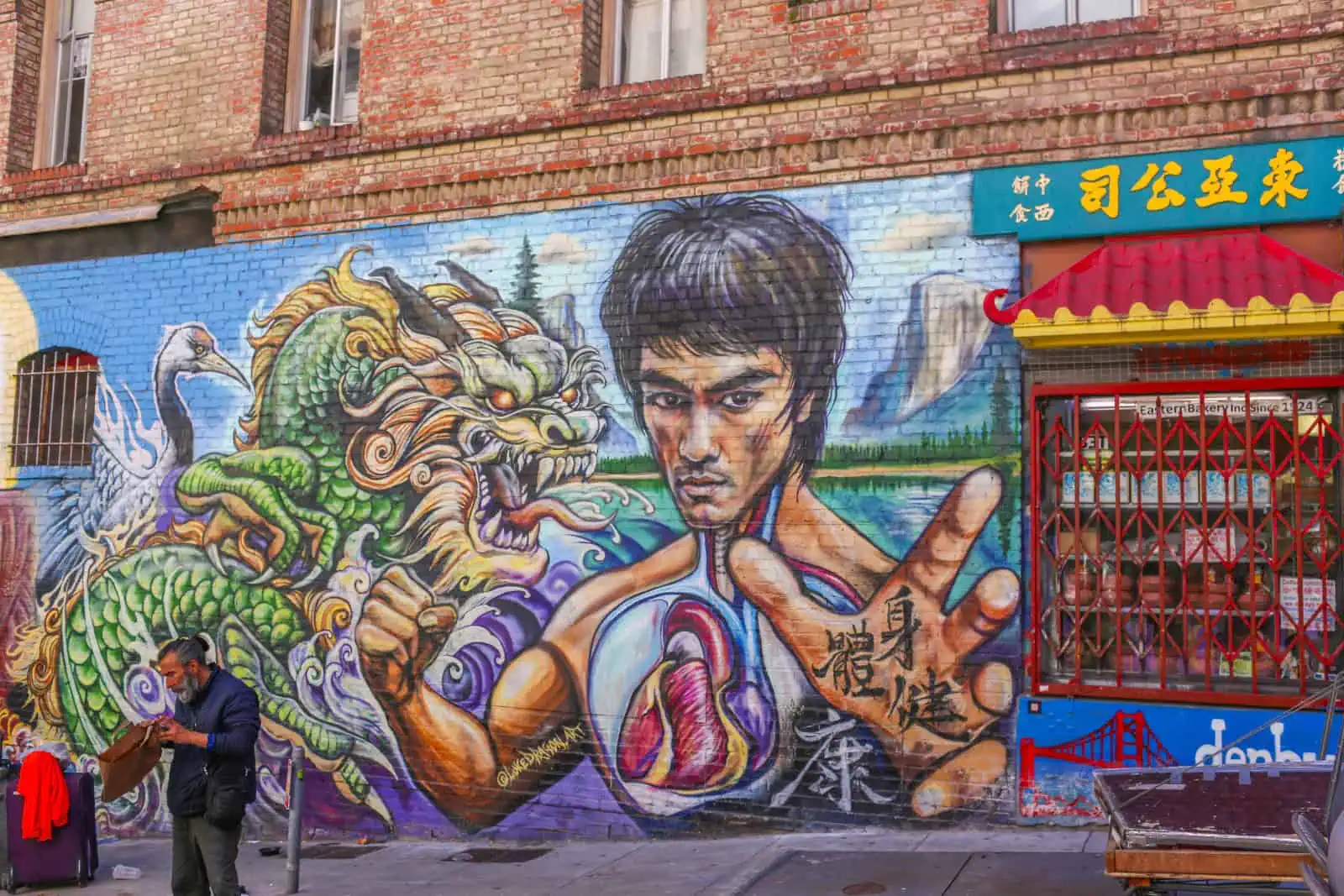
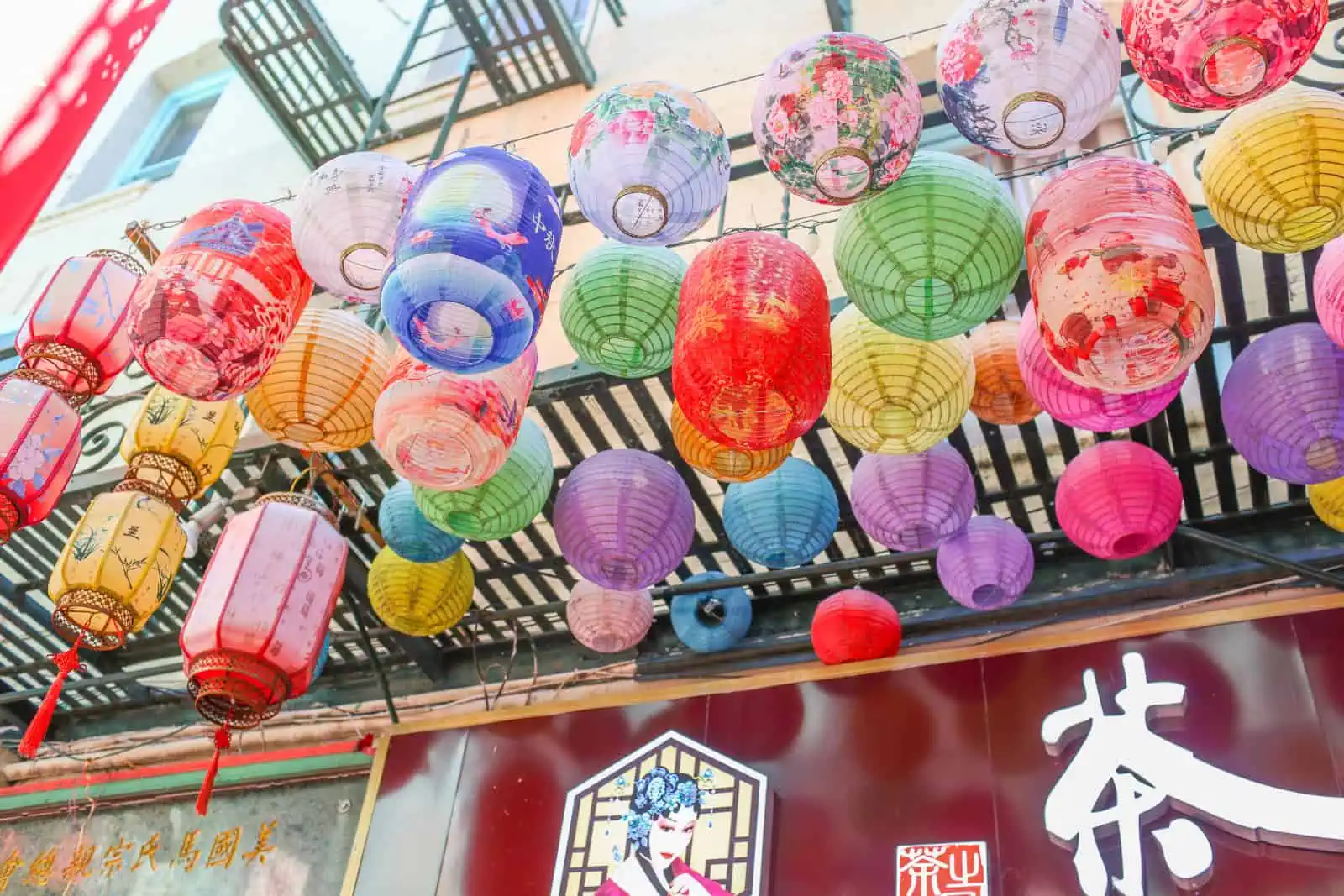
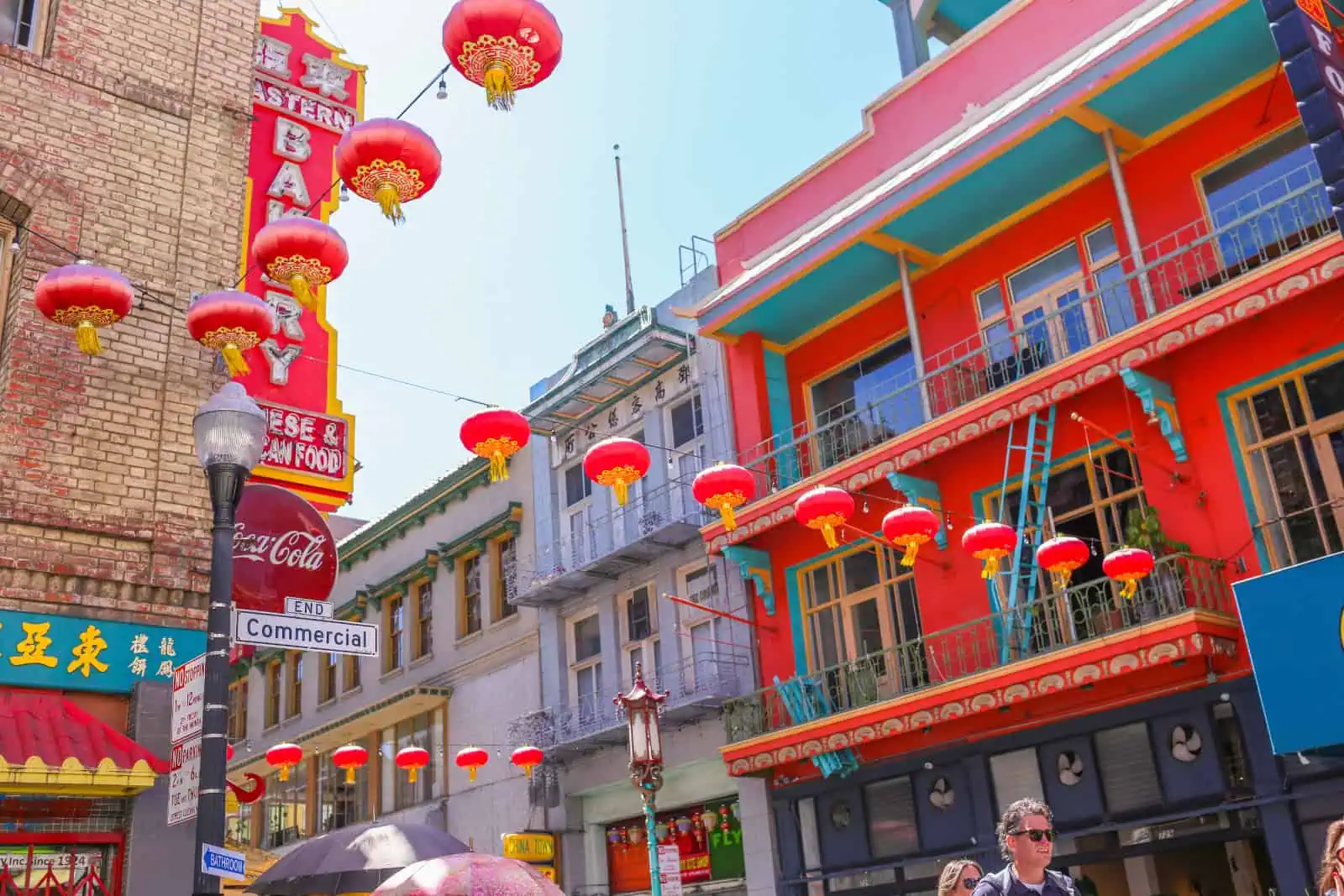
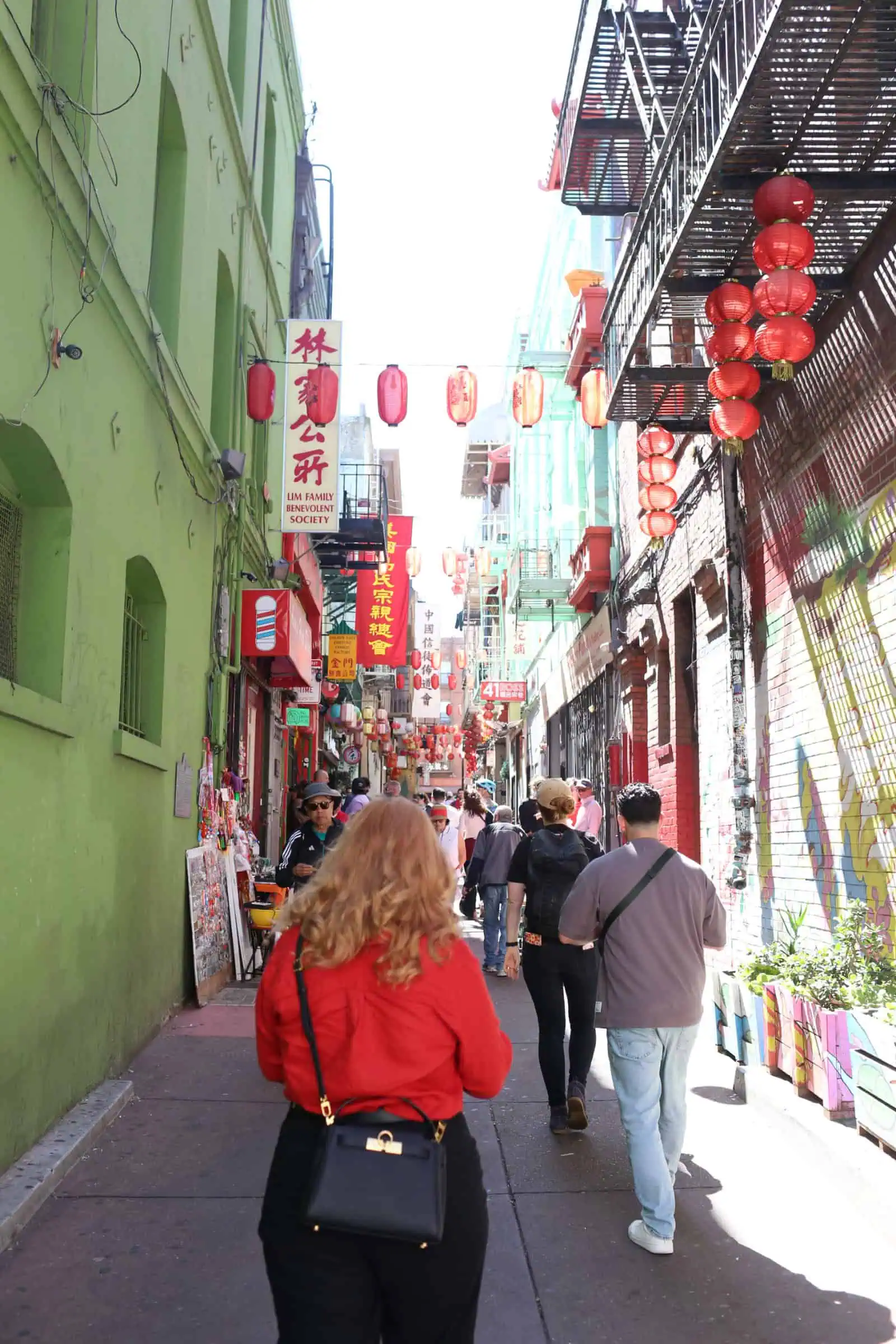
The tour moves at a relaxed pace. We wandered through both the main streets and the smaller alleys, where much of Chinatown’s character lives. There were plenty of moments to stop, look around, take photos, and ask questions.
Be aware that there is real walking involved, and one stop includes a climb (there’s a temple several stories up staircases). More on that below. Comfortable shoes are a must, and the name of the tour company is good advice for your wardrobe too.
What We Ate: A Stop-by-Stop Look
This is a food tour, so here is the part you have been waiting for. We ate a lot, and we ate well.
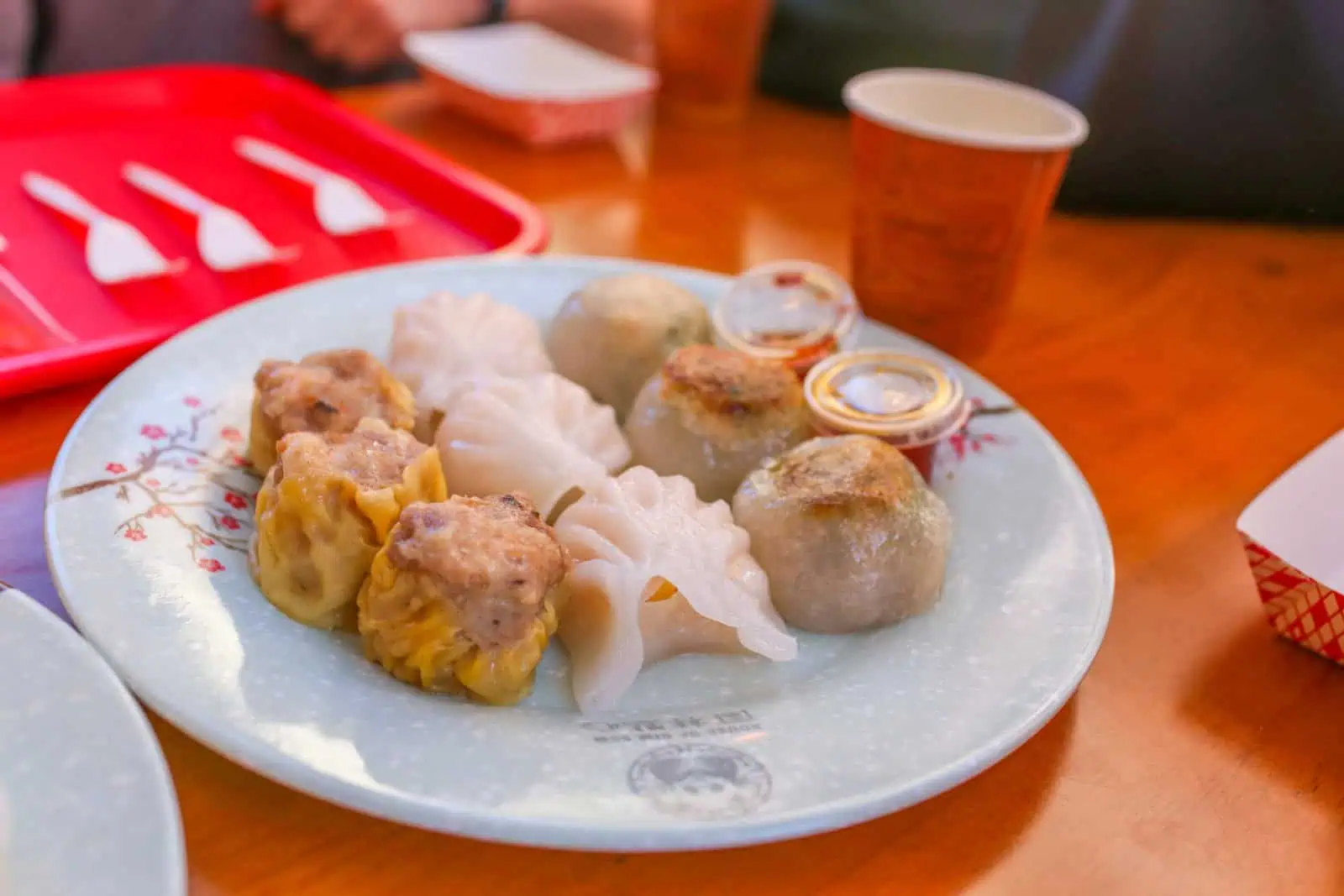
Dim sum.
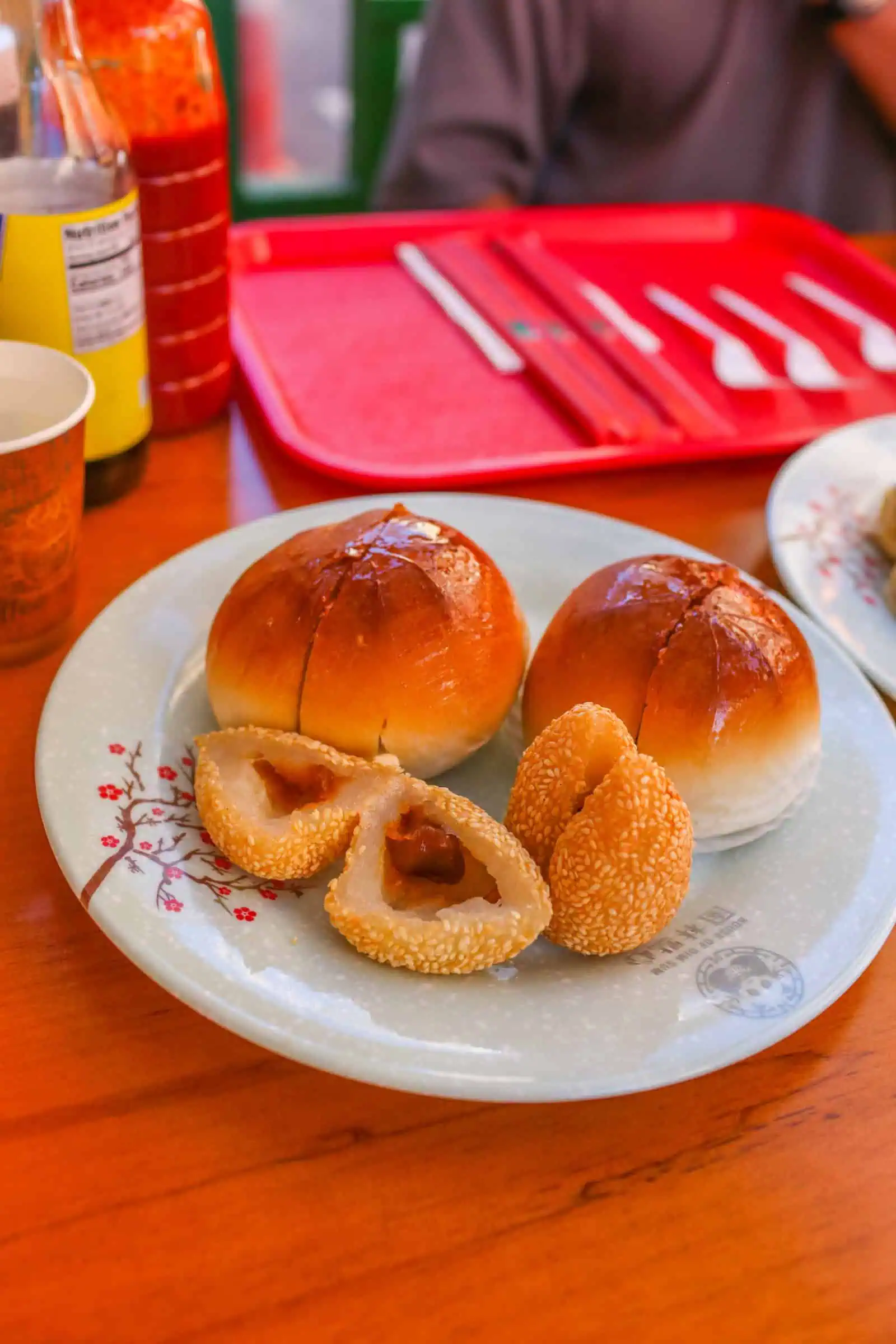
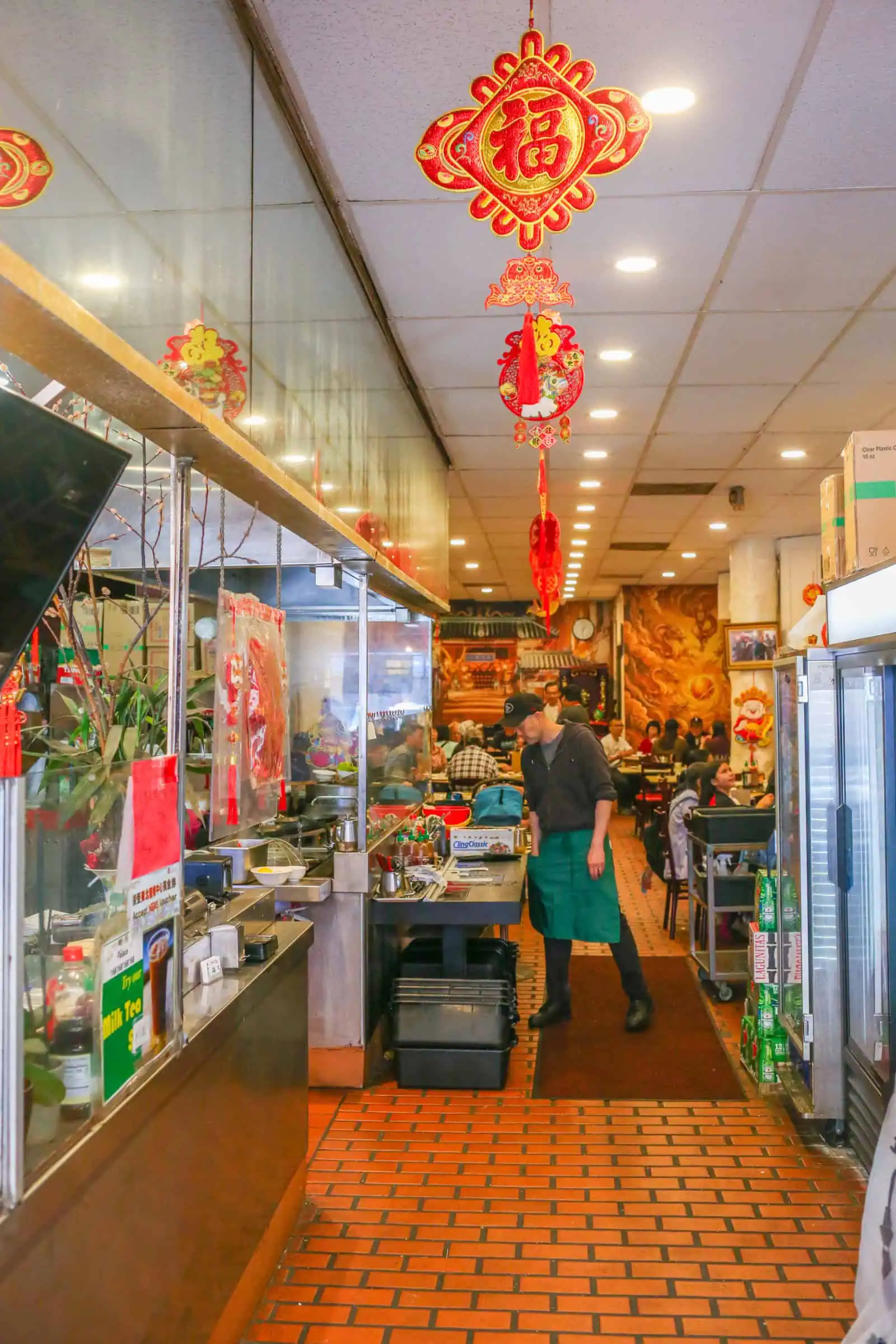
We started with a variety of dim sum, the small shareable plates that make a Chinese meals so fun. Trying several items in one sitting was a great way to sample different flavors and textures. Having a guide explain what each dish was made up of took the guesswork out of whether or not to take a bite, which is usually the hardest part of dim sum for first-timers.
Fresh fortune cookies at the first fortune cookie factory in the world.
This was a highlight. We got to watch fortune cookies being made and ate them fresh, which I highly recommend. A warm, just-folded fortune cookie is a completely different thing from the stale ones that come with takeout. It was also a fun reminder that this treat has deep ties to San Francisco.
Boba tea.
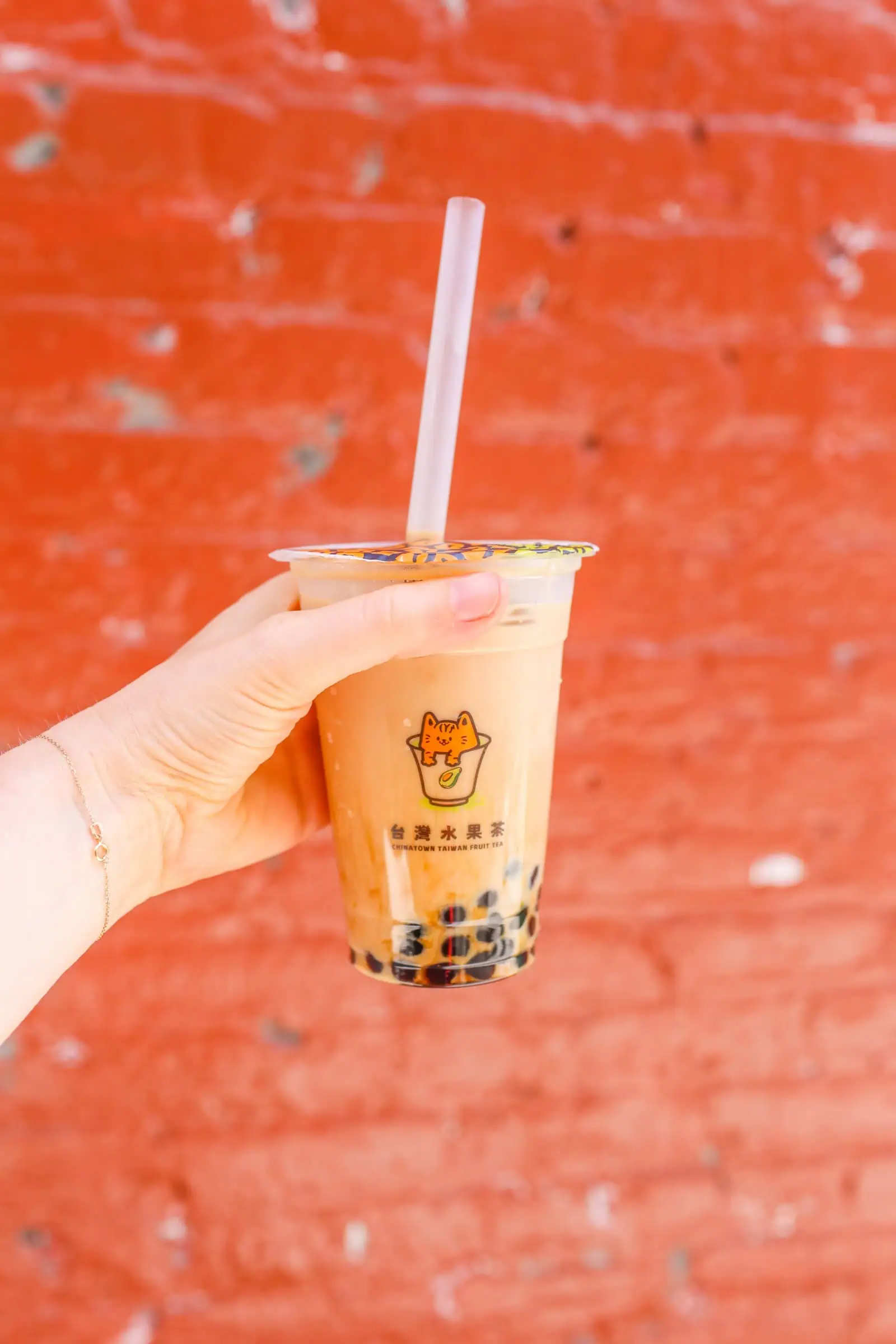
A stop for boba gave us a refreshing break between bites. If you have only ever had boba from a chain, it is a treat to try it in the neighborhood setting. We ordered the black sugar flavor with pearl beads, and it was really good!
Tin How Temple.
The temple visit was one of the most memorable parts of the day for reasons beyond food. It is a long walk up several staircases, so be ready for a bit of a workout, especially with a full stomach. The climb is worth it. The temple is quiet and atmospheric, a peaceful pause from the busy streets below. No photography is allowed, so sadly I don’t have any photos of the inside.
Peking duck.
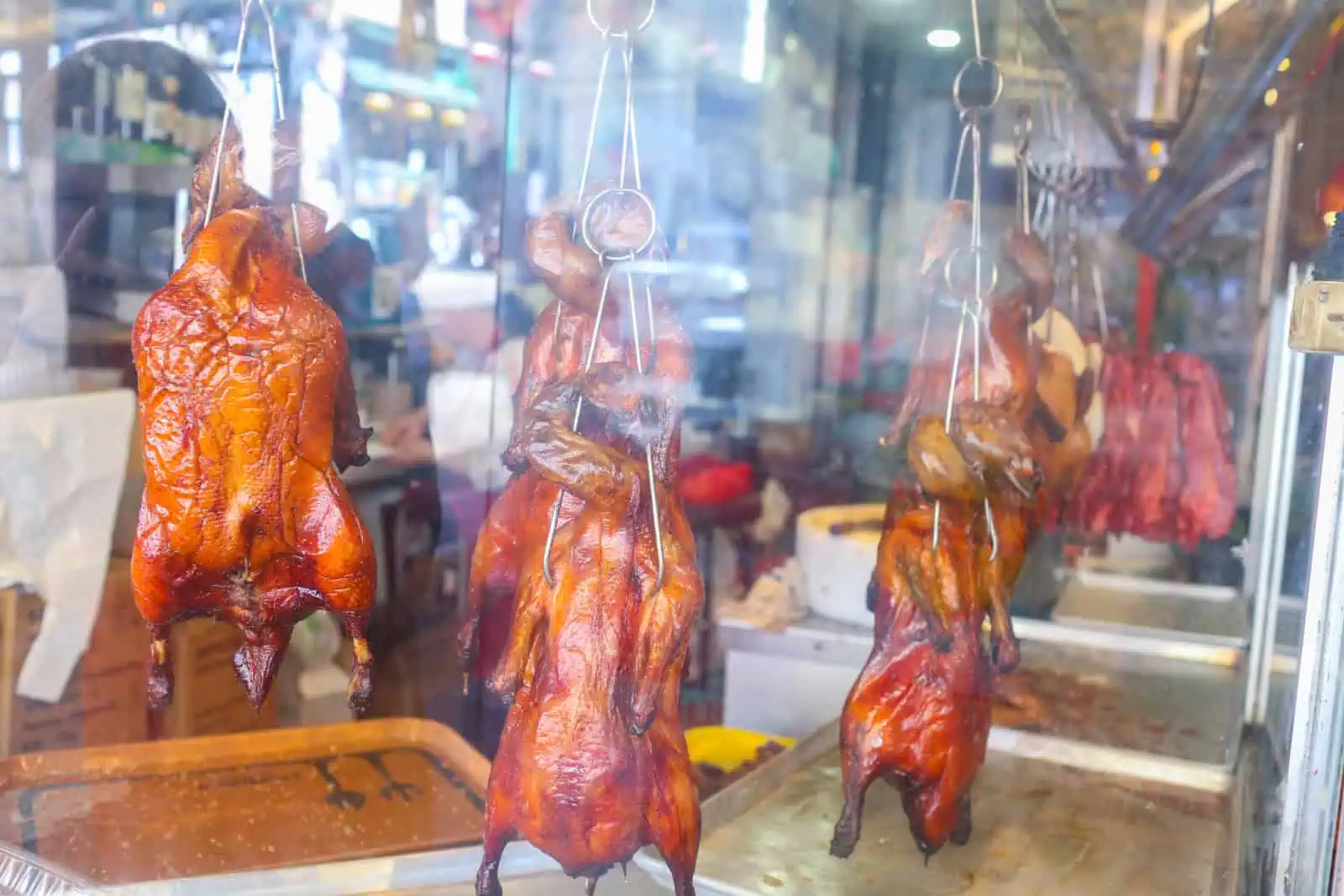
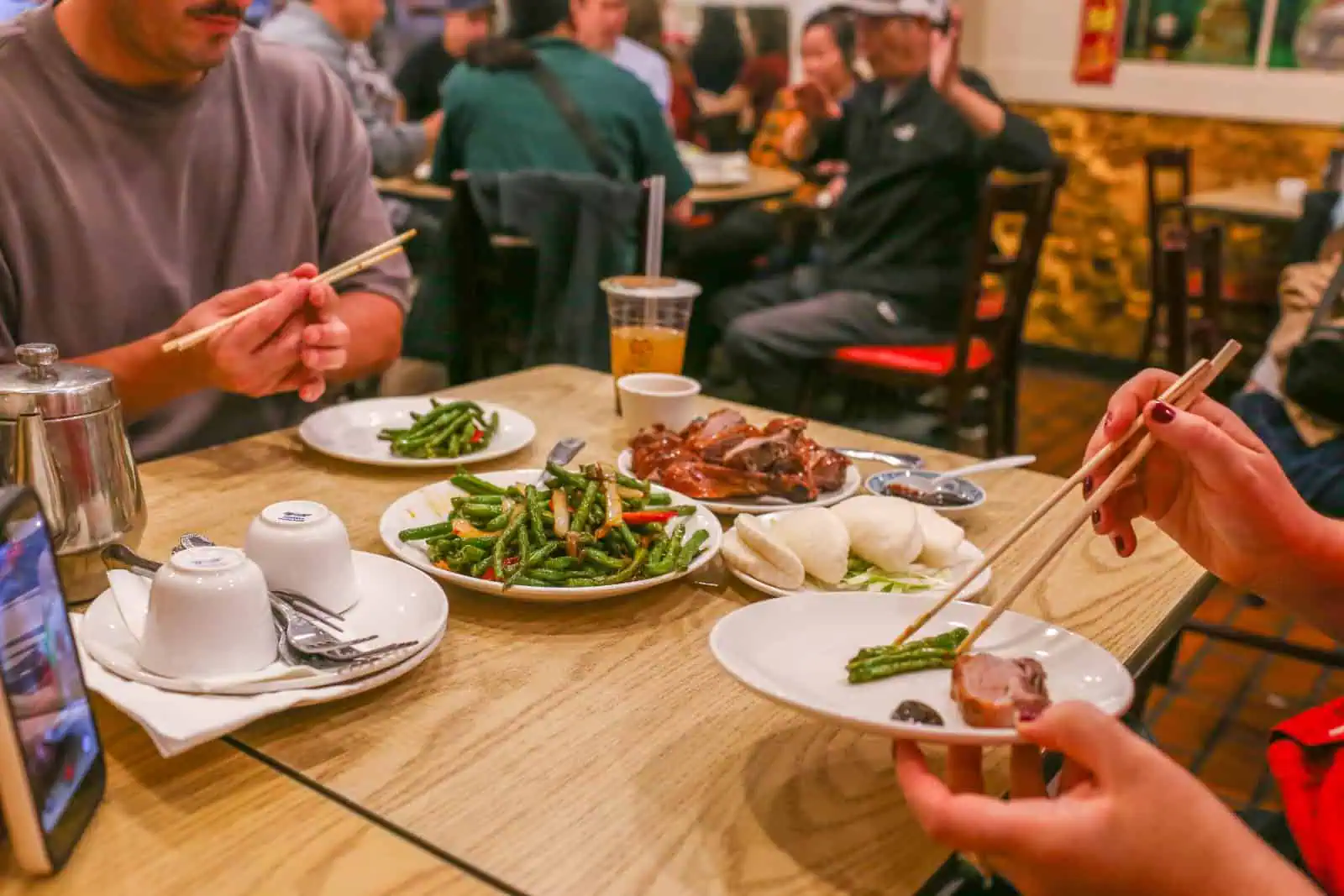
Crispy, rich, and a Chinese tradition, the Peking duck was one of the heartier tastes of the tour. If you are not familiar with it, this is a great opportunity to try it the traditional way with someone who can explain how it is served and eaten. There was also a veggie green beans side dish.
Green tea tasting.
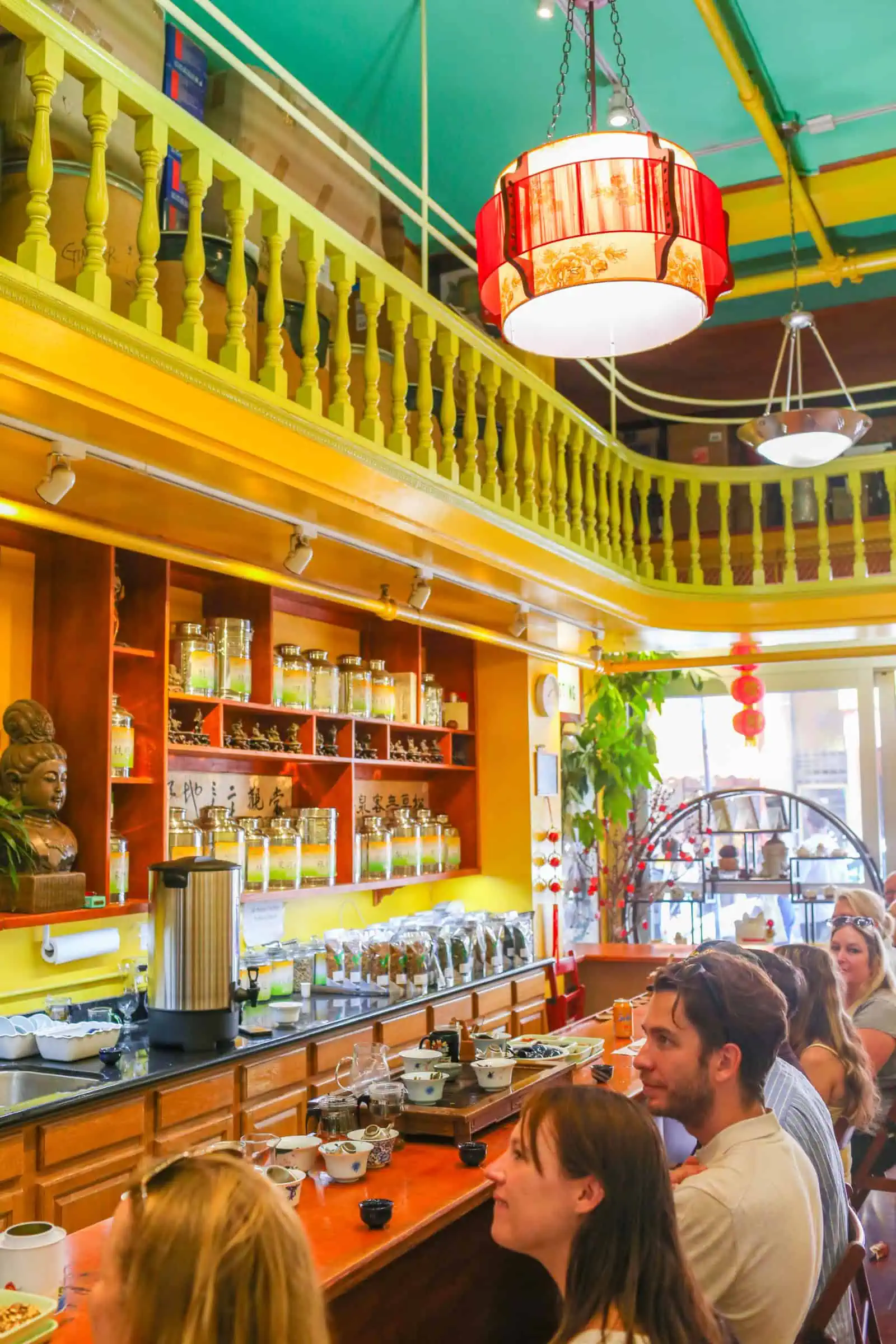
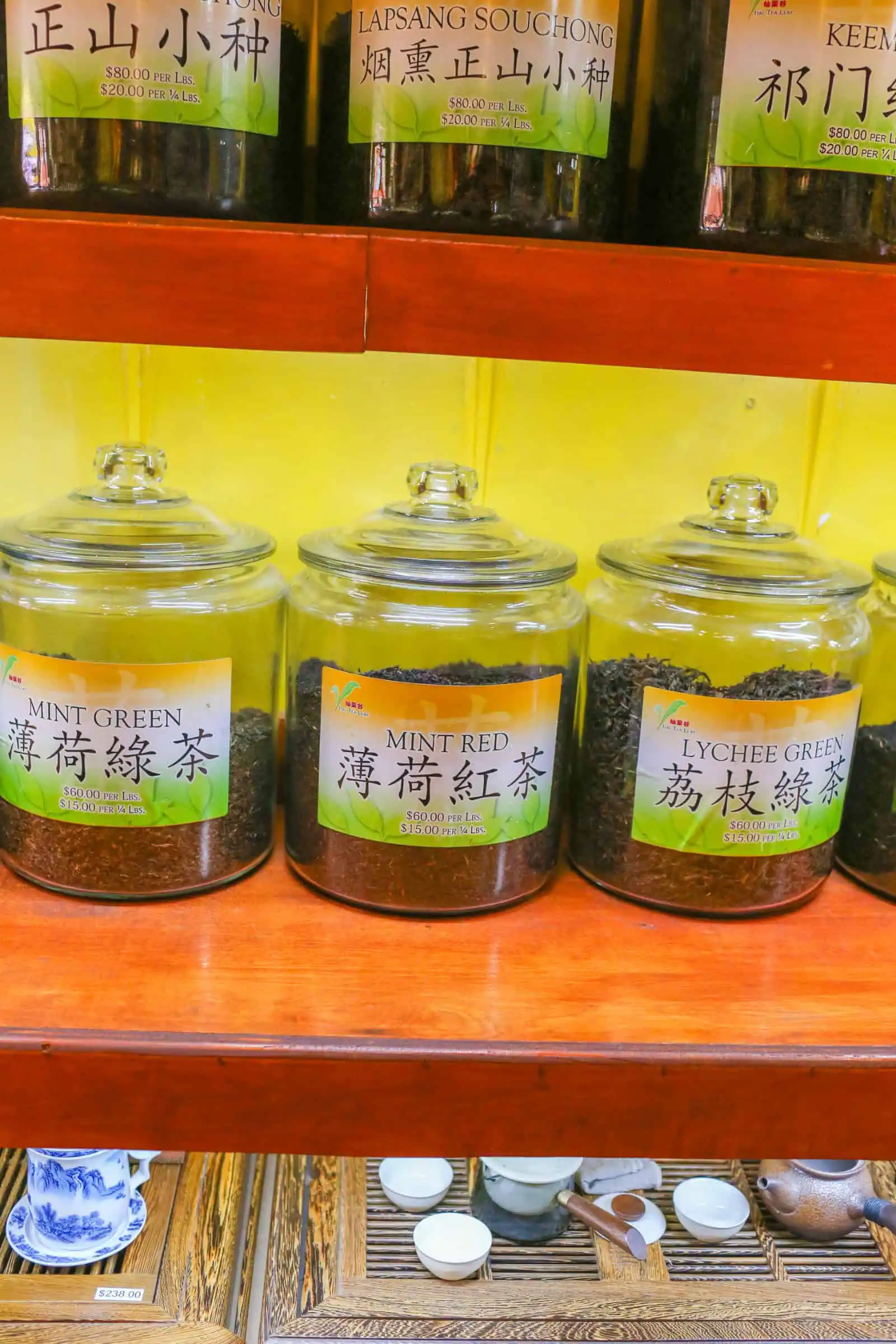
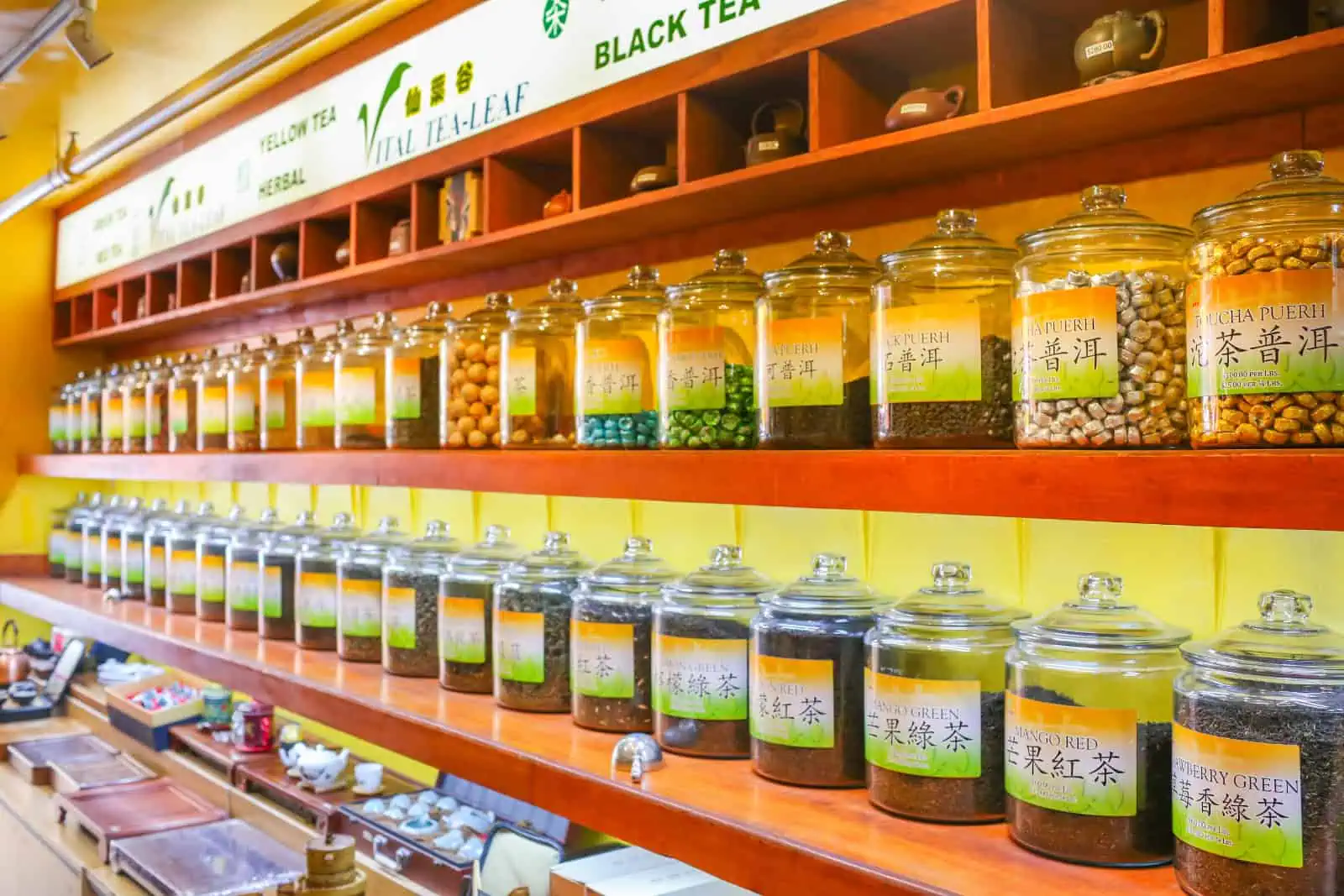
The tour’s name includes tea for a reason. The green tea tasting is a brief masterclass on how to properly brew and drink green tea. It was a calm, educational stop where we learned to notice the flavor and aroma of tea instead of just drinking it. It also helped balance out all the rich food we had eaten.
A Chinese bakery for dessert.
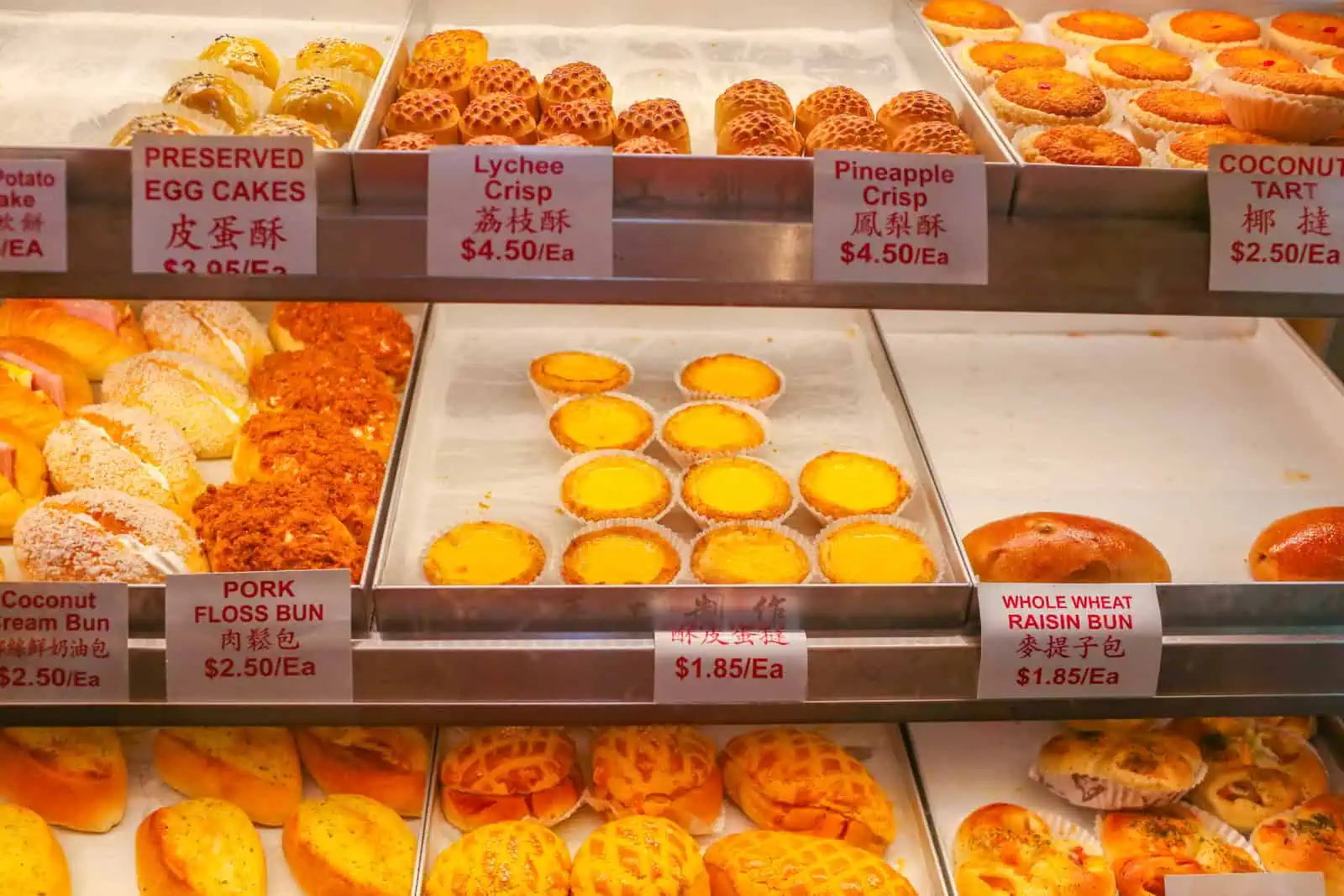
We finished at a Chinese bakery, which was a sweet way to end the day. I tried a traditional egg tart for a sweet finish.
What I Learned About San Francisco and Chinese Culture
Beyond the food, I left with a much better understanding of Chinatown’s place in San Francisco history and of how the neighborhood has held onto its traditions over generations. Seeing the streets and alleys through Ginger’s eyes gave me a new appreciation for a neighborhood I thought I already knew.
That is what sets a good food tour apart from a good meal. The food was delicious, but the stories and the cultural context are what I will remember most.
How Long Is the Tour, and Is It All Walking?
The Chinatown Tea & Dim Sum Food Tour runs about three hours, and the entire thing is on foot. There is no bus, van, or cable car between stops. You start together, walk together, and eat your way through the neighborhood at a steady, unhurried pace.
The tour route is about one mile, and it is rated easy. That distance sounds short, but the time is spread across many stops. You are not marching from point A to point B. You walk a few blocks, stop to eat or learn something, then walk a little more. In my experience, the three hours went by quickly because there was always something new to see, taste, or hear about.
The start time.
We started the tour at 11:30am, which works well for a late brunch or early lunch. If you are driving in, as I did from Sacramento, leave yourself extra time for traffic and parking so you can arrive relaxed. The company allows a 15-minute grace period if you let them know you are running late, but the tour will not wait beyond that, so it is best to arrive early.
What the walking is actually like.
Most of the route follows Chinatown’s streets and alleys, and the terrain is what you would expect in San Francisco. The one stop that takes real effort is Tin How Temple, which means a long walk up several staircases. Take your time on the climb. This is of course optional if you want to sit it out.
Tips for the walking and timing:
- Wear comfortable, broken-in shoes with good support.
- Dress in layers, since San Francisco weather can shift during a few hours outdoors.
- Eat a light breakfast, or none at all. You will be fed well, and you will want the room.
- Carry only what you need so you can walk hands-free and snap photos easily.
- Plan nothing strenuous right after. By the end, you will be pleasantly full and ready for a slow afternoon.
A note on accessibility.
The company says the tour is designed with accessibility in mind and asks guests to contact them for details. If stairs or long stretches of walking are a concern, reach out before booking so they can tell you what to expect.
Can the Tour Accommodate Food Restrictions?
Yes, for many common dietary needs. The tour page says the company can accommodate vegetarian, vegan, gluten-free, dairy-free, and nut-allergy guests with proper notice. The key phrase is “with proper notice.” Let them know about any restrictions when you book, not on the morning of the tour, so the guide and the restaurants have time to prepare.
There is one important exception. The company does not recommend this tour for anyone with a soy allergy. Soy sauce and other soy-based ingredients are common in Chinese cooking, and with a menu built around dim sum, duck, and pastries, it would be hard to avoid them. If you have a soy allergy, it is worth contacting the company directly before deciding.
The tour page does not list shellfish or seafood allergies among the restrictions it accommodates. Dim sum often includes shrimp and other seafood, so if that applies to you or someone in your group, ask before you book and get a clear answer in writing.
A few tips for guests with dietary needs:
- Mention every restriction when you book, including how severe it is.
- Ask which stops may be affected, so you know what to expect.
- Confirm details by text or email if you have a serious allergy.
- Bring a snack you know is safe, just in case.
The food is a big part of what makes this tour special, so it helps to know ahead of time that you will be able to enjoy it. A quick message to the company can settle any questions before you commit.
Is the Chinatown Food Tour Kid-Friendly?
It can be, depending on the child. The tour page lists children ages 8 and up as welcome, and it asks families with younger kids to contact the company first. That is a good rule of thumb to follow.
Here is what to think about before you book:
- Walking stamina. The tour runs about three hours on foot, with a long climb up several staircases to Tin How Temple. Kids who enjoy walking will be fine, but a child who tires quickly may struggle by the end.
- Adventurous eating. Dim sum, Peking duck, and a green tea tasting are not typical kid fare. Children who like trying new foods will have a great time. Picky eaters may fill up mostly on the fortune cookies and boba tea, which is fine, but it helps to set expectations in advance.
- Attention span. Ginger shared a lot of history and cultural background along the way. Curious, school-age kids may find it fascinating, especially the fortune cookie factory stop. Others may get restless during the longer stories.
My take: This tour is a great fit for curious, food-loving older kids and tweens who can handle a few hours of walking. For younger children or very picky eaters, it may be a long morning. When in doubt, contact the company before booking and ask what they recommend for your family.
Tips for Getting the Most Out of the Tour
If you are planning to book, here is what I would suggest based on my experience:
- Go with an open mind. You will likely try foods you have never had before. Be willing to take at least a couple of bites of everything. Being adventurous is what makes the tour fun, and some of my favorite bites were things I might have skipped on my own.
- Come hungry. There is a lot of food, and you will want room for all of it.
- Wear comfortable shoes. You will be walking through streets and alleys, and the climb to Tin How Temple involves several staircases.
- Bring your questions. Ginger loved sharing details, and a small group makes it easy to ask.
- Plan your timing. It is a full morning into the afternoon, so give yourself room in your schedule. If you are driving in, like I did from Sacramento, plan for parking and traffic ahead of time.
How Much Does the Chinatown Food Tour Cost?
At the time of writing, the Stretchy Pants Chinatown Tea & Dim Sum Food Tour is $99 per person. That price covers a full three-hour guided tour, and all of the food is included. You do not pay for anything along the way. No splitting checks, no pulling out your wallet at each stop, and no wondering what things cost. We ate dim sum, fresh fortune cookies, boba tea, Peking duck, a green tea tasting, and Chinese bakery sweets, and none of it cost extra.
That made the day feel relaxed. We could focus on the food, the stories, and the company instead of keeping a running tally in our heads. The portions add up to a large meal, so there is no need to plan lunch afterward.
What the $99 includes:
- A full meal spread across multiple stops
- Soft drinks, including the boba tea
- A three-hour guided tour with a local expert
What is not included:
- Gratuity for your guide
- Alcoholic drinks
- Transportation to and from the meeting point
The tour page says it is customary to tip your guide 15% if you enjoyed the experience, and guides accept cash or Venmo.
Is it worth it? For me, yes. When you count the number of stops, the amount of food, and the time with a knowledgeable guide, $99 felt like a fair price for what we got. A comparable meal of dim sum, duck, tea, and treats at several restaurants would add up quickly, and we would have missed the history and local knowledge that made each stop meaningful.
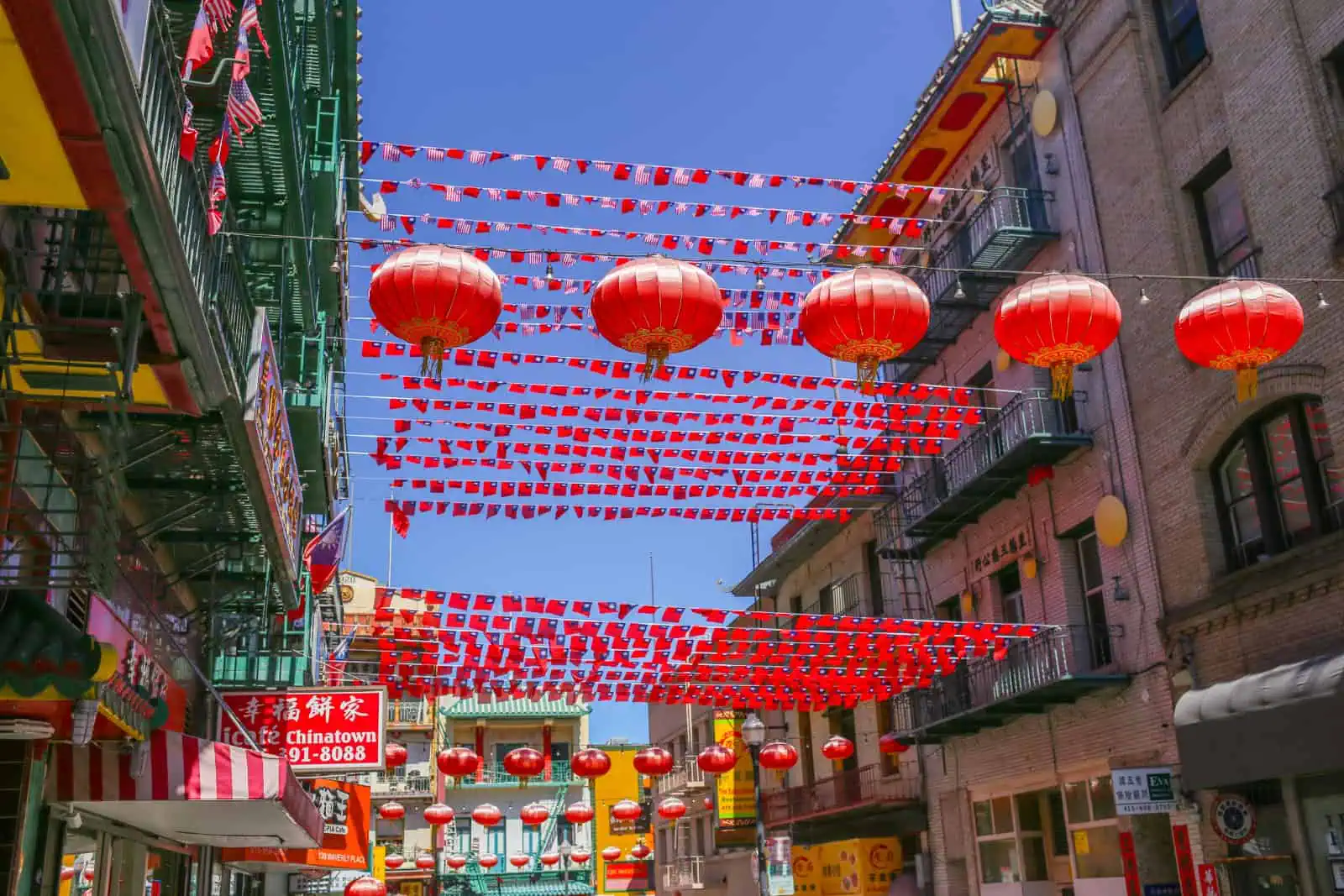
Is the Stretchy Pants Chinatown Food Tour Worth It?
Yes, without hesitation. I would highly recommend this tour to anyone who wants a deeply immersive experience: trying new foods, learning San Francisco history, and understanding more about Chinese culture. It works well for friends, couples, and solo travelers, and it suits locals as much as visitors. My friend has lived in the city for a while, and she still learned plenty.
The mix of dim sum, fresh fortune cookies, boba, a temple visit, Peking duck, tea, and bakery sweets made for a full and varied day. Having a knowledgeable guide like Ginger and a group small enough to feel like friends made it even better.
If you are ready to book, you can find tour details and availability on the Stretchy Pants Chinatown Food Tour page. Bring your appetite, your curiosity, and a pair of stretchy pants. You will need all three.